This website will be available until 12 November 2026.
After that, a review and the programme of the RC21 Conference 2026 will be available on the Urban Futures Website.
Thank you for attending the RC21 Conference 2026 in Vienna!
Take a look back at some of the highlights!
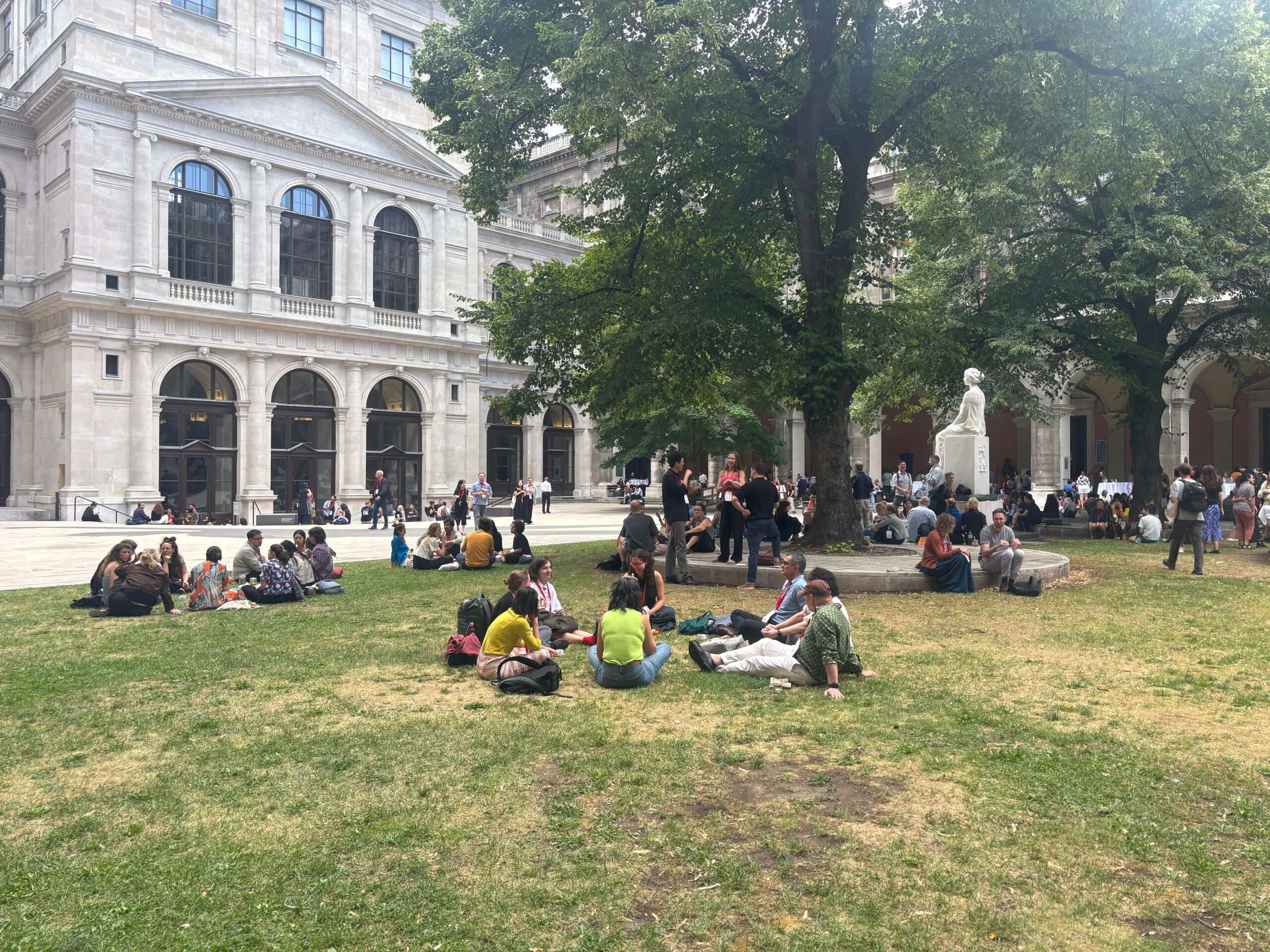
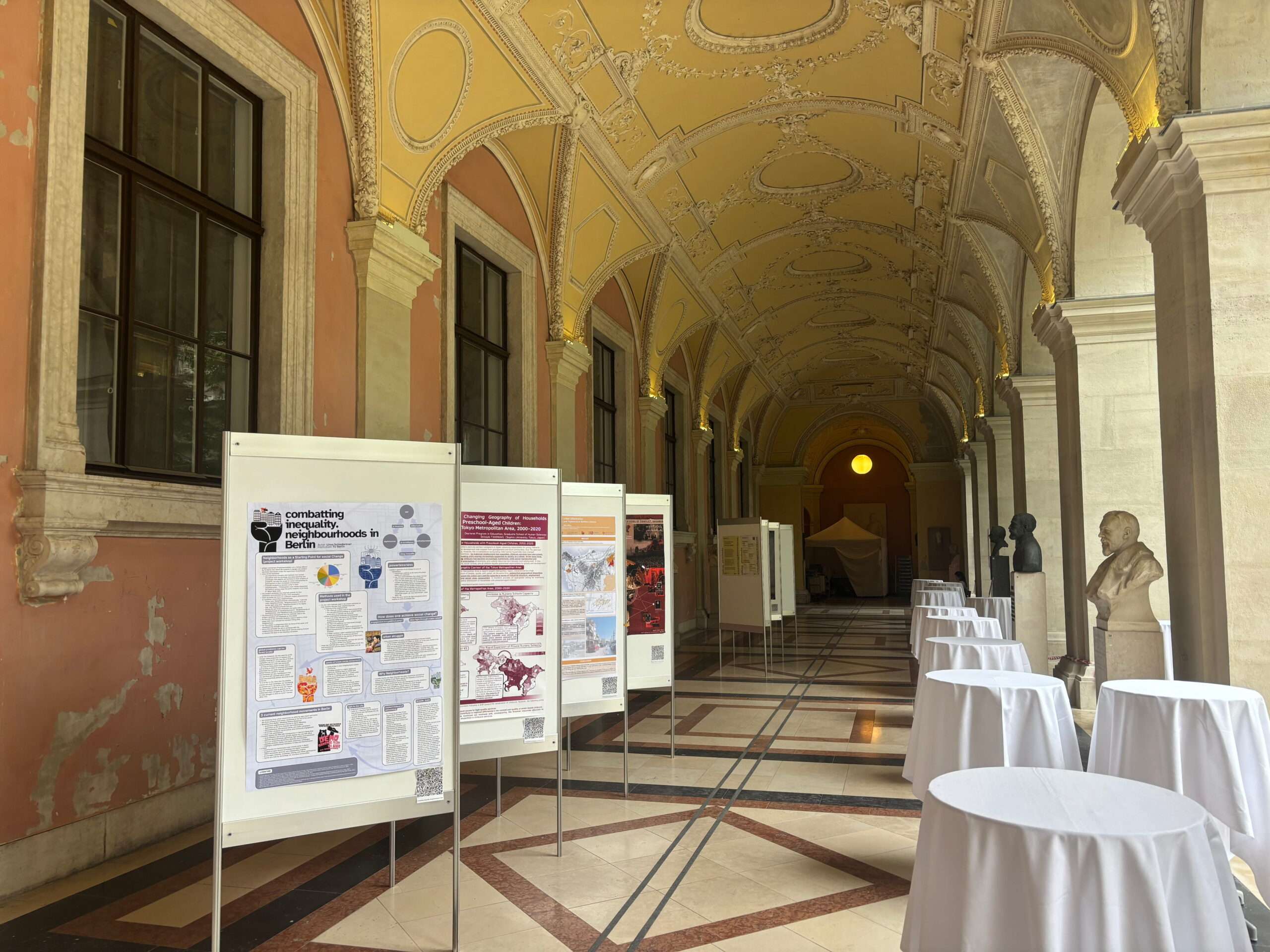
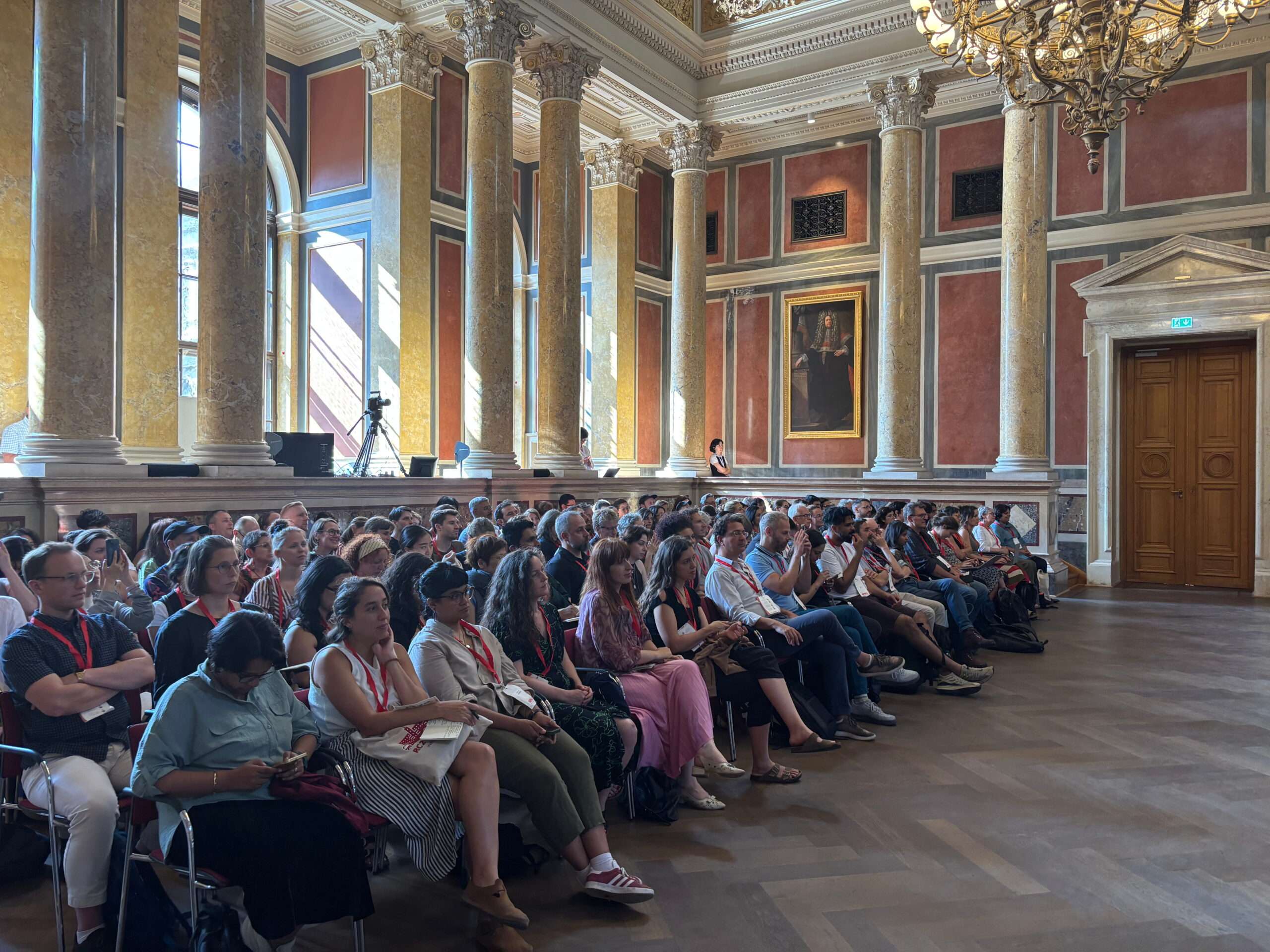
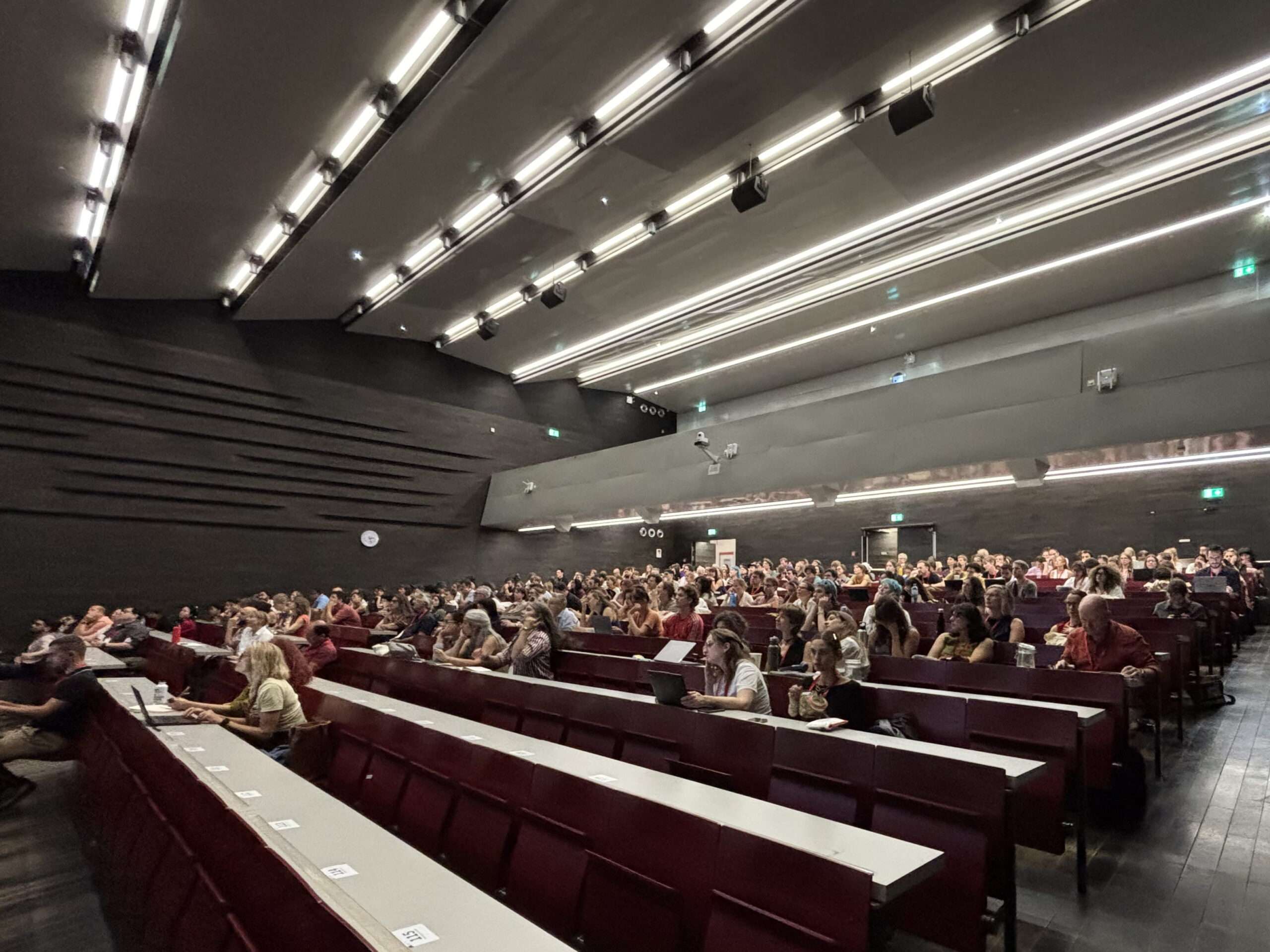
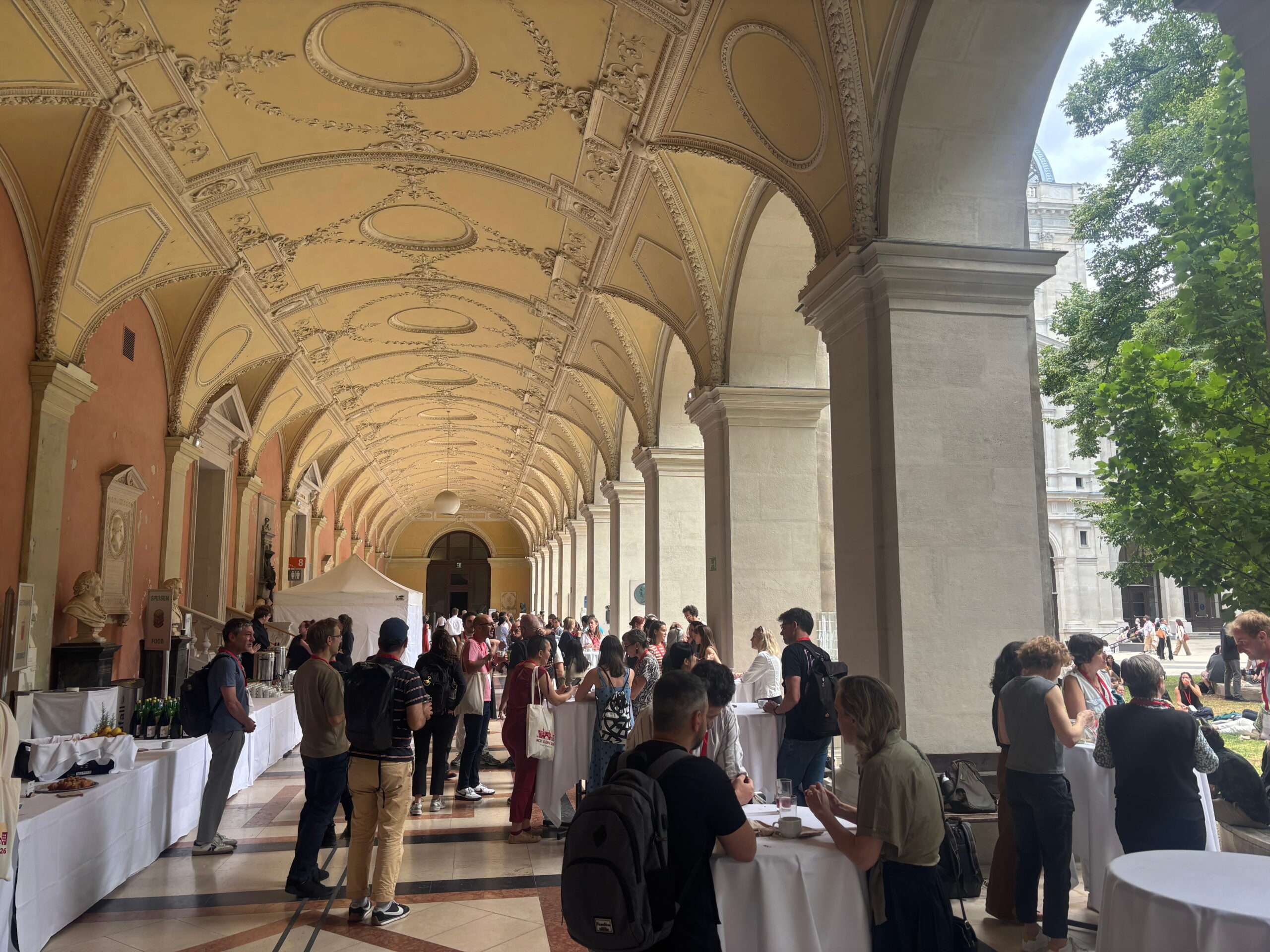
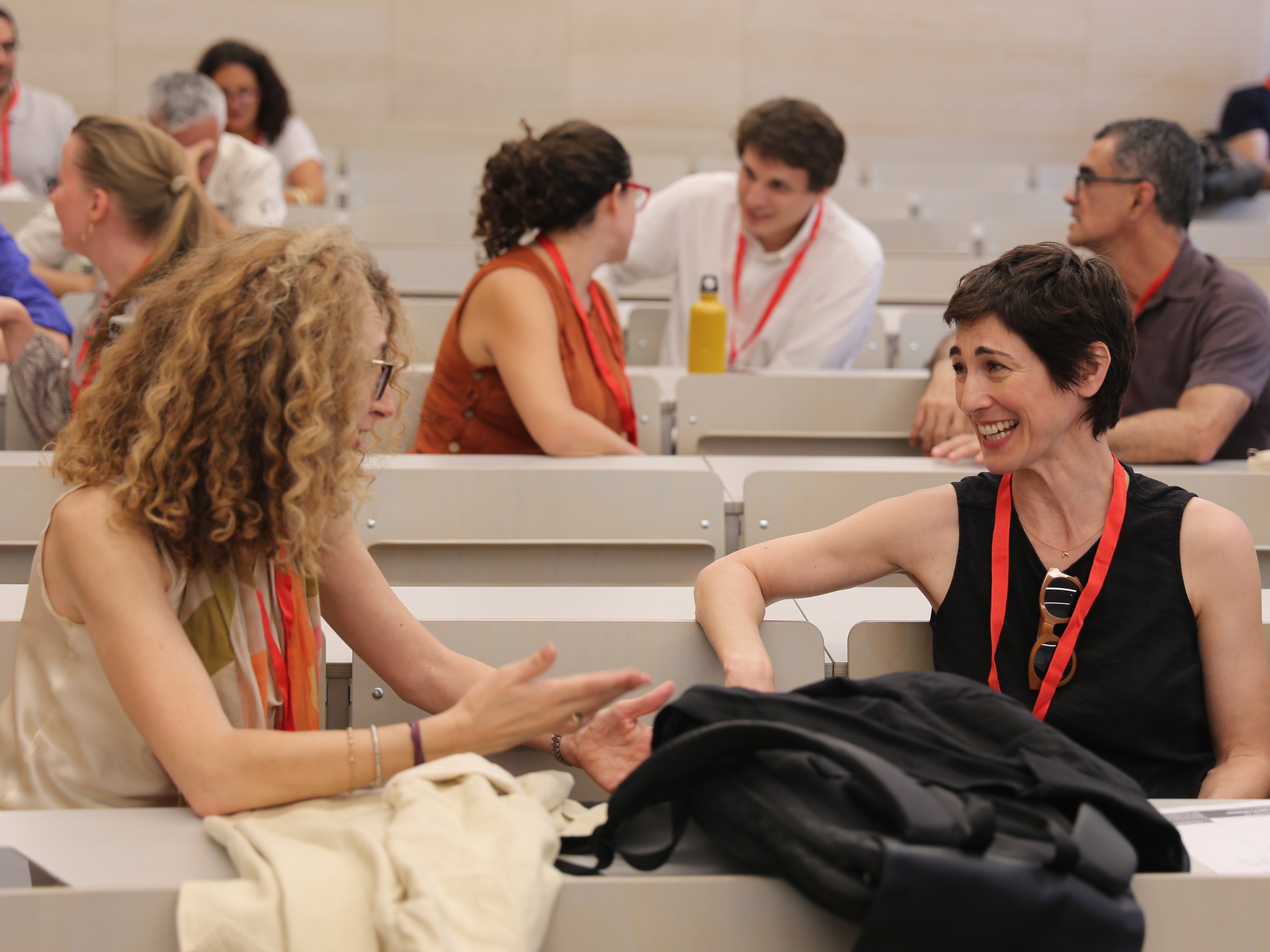
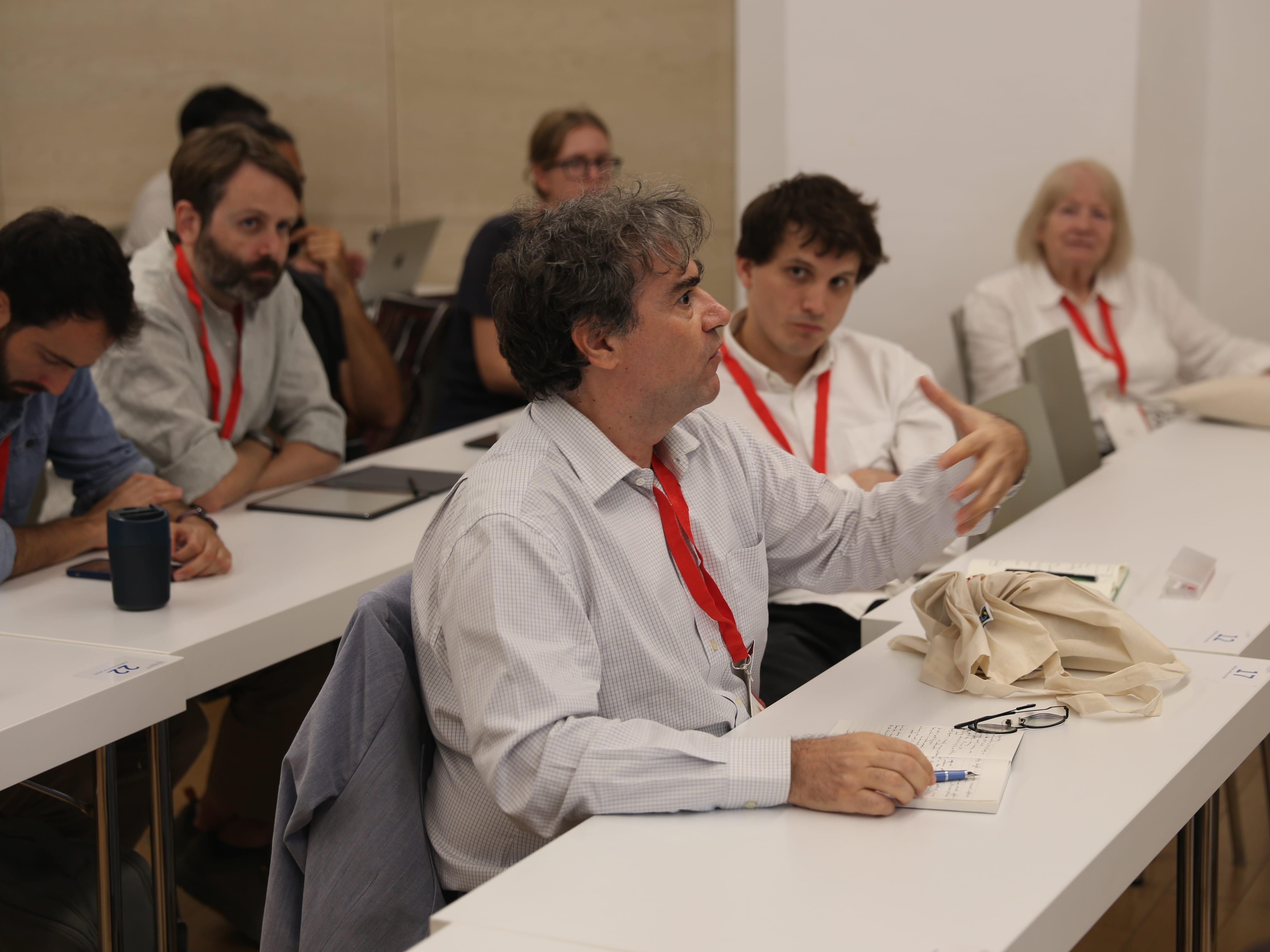
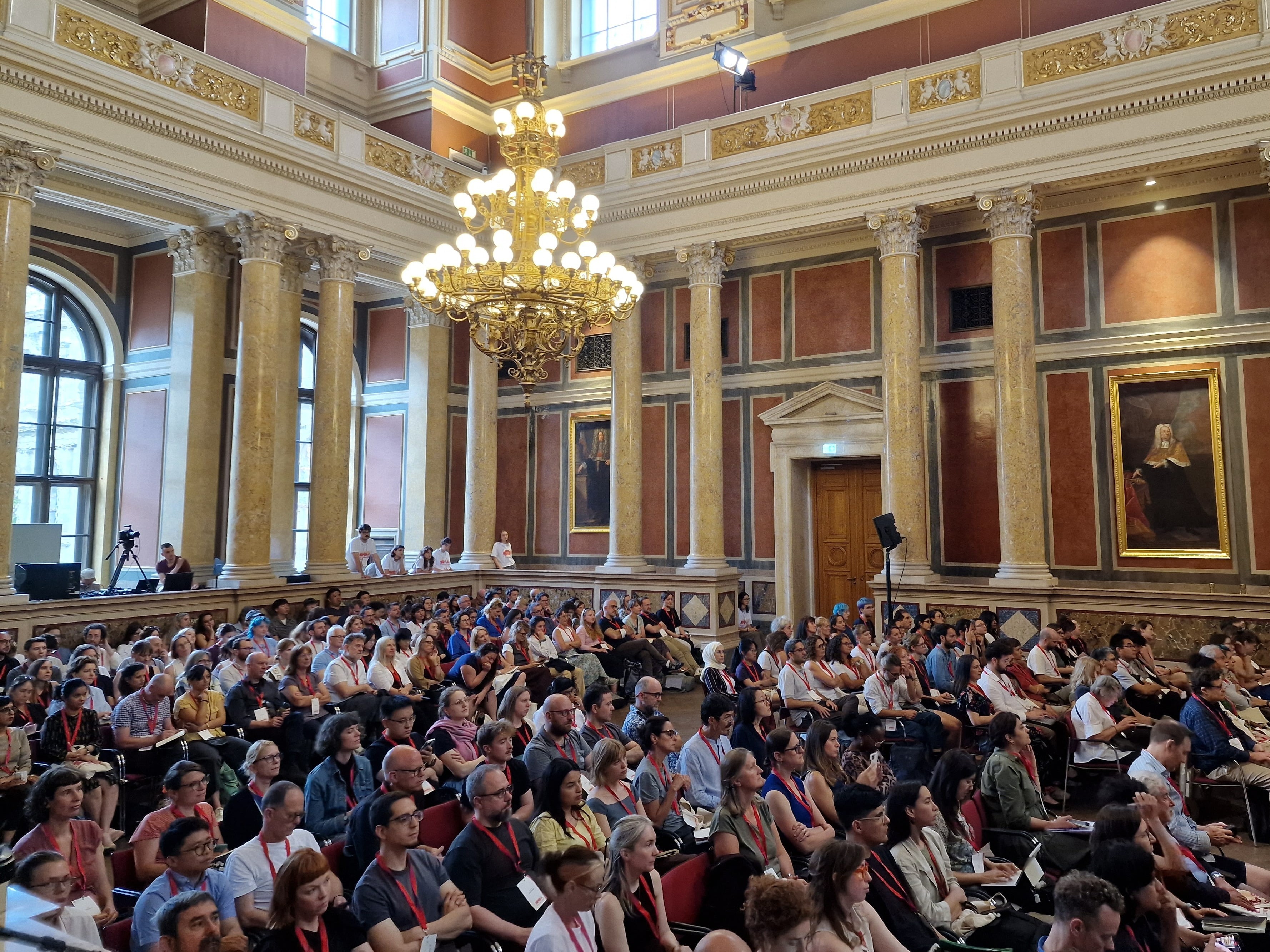
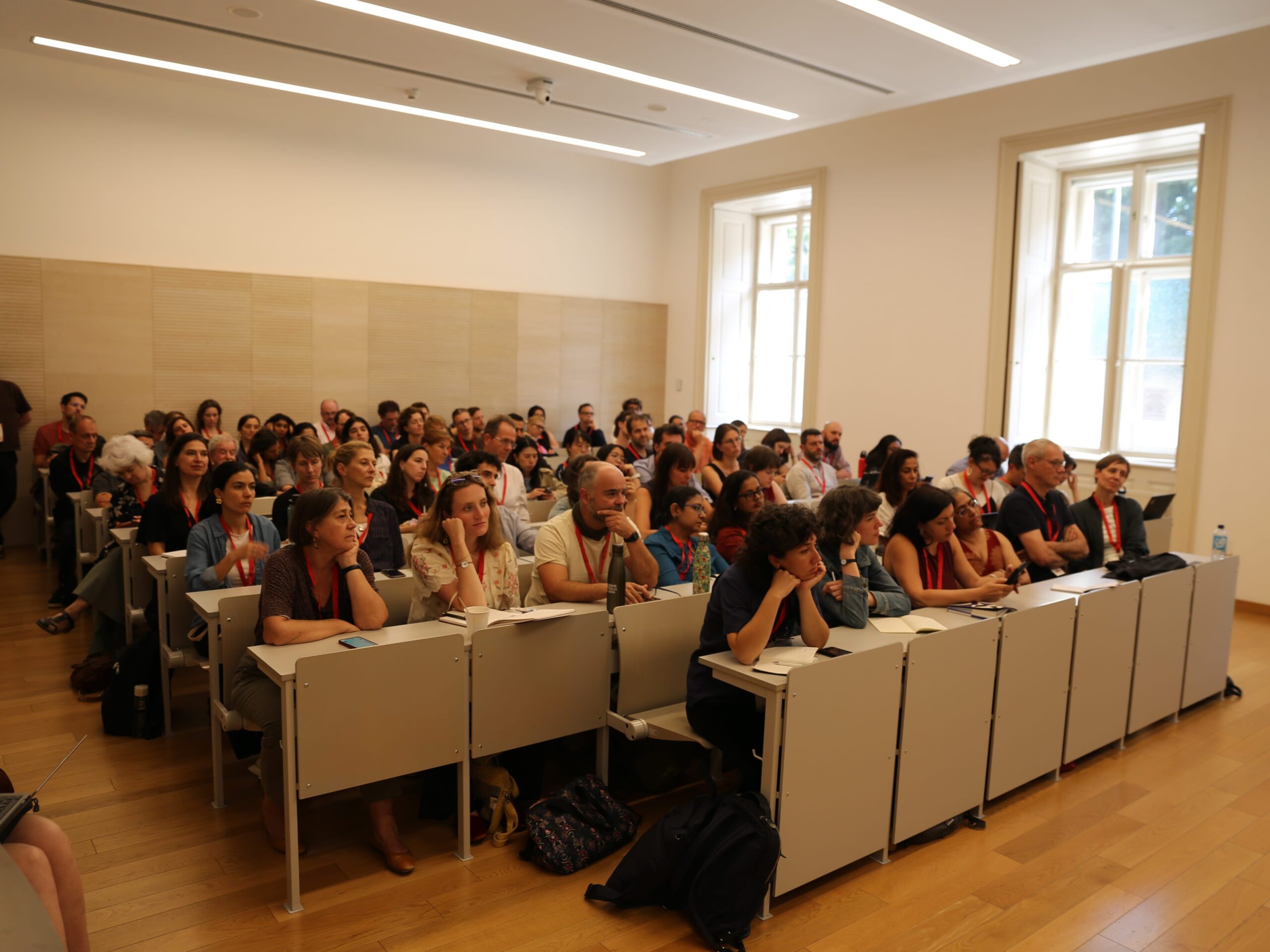
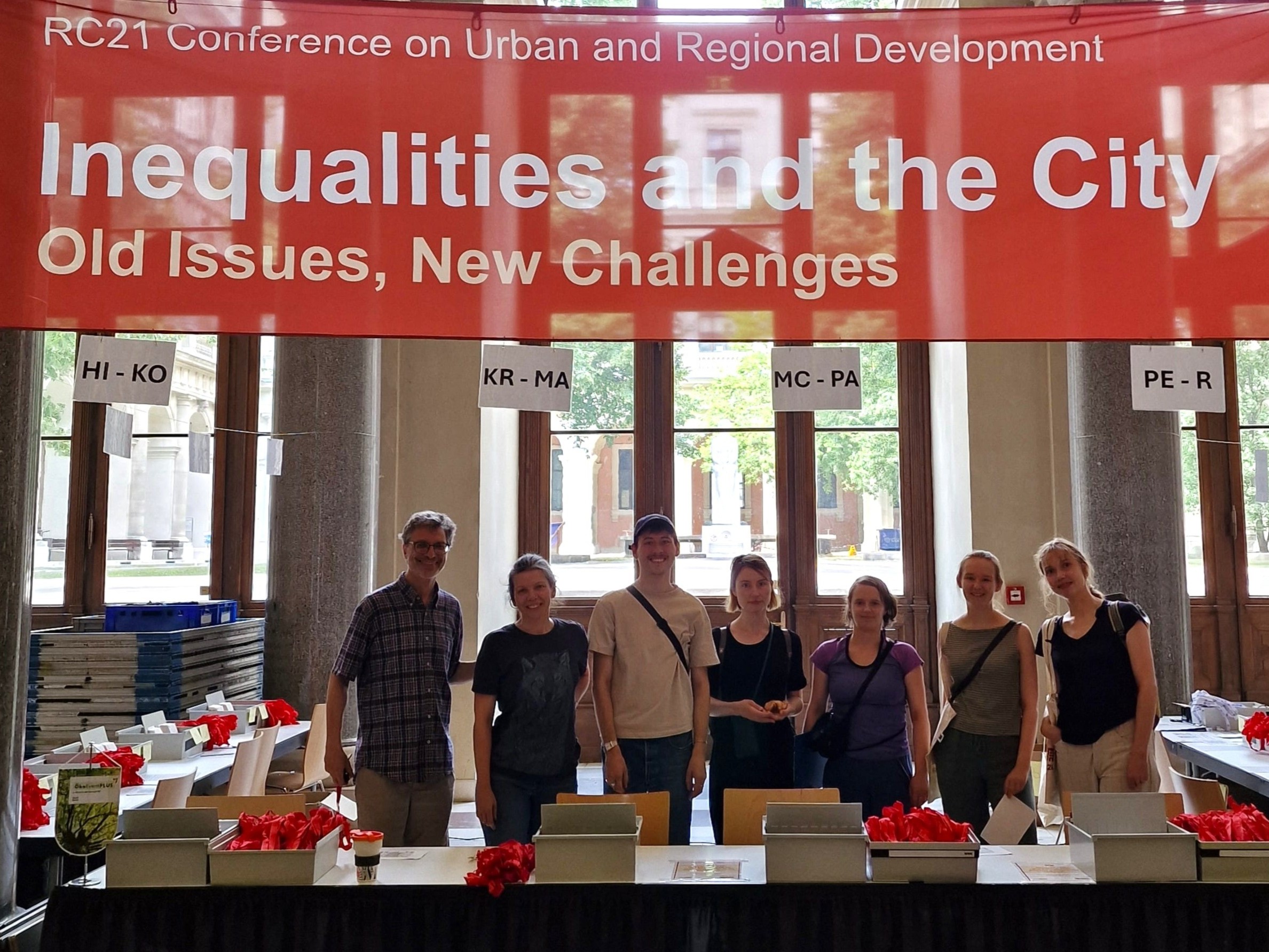
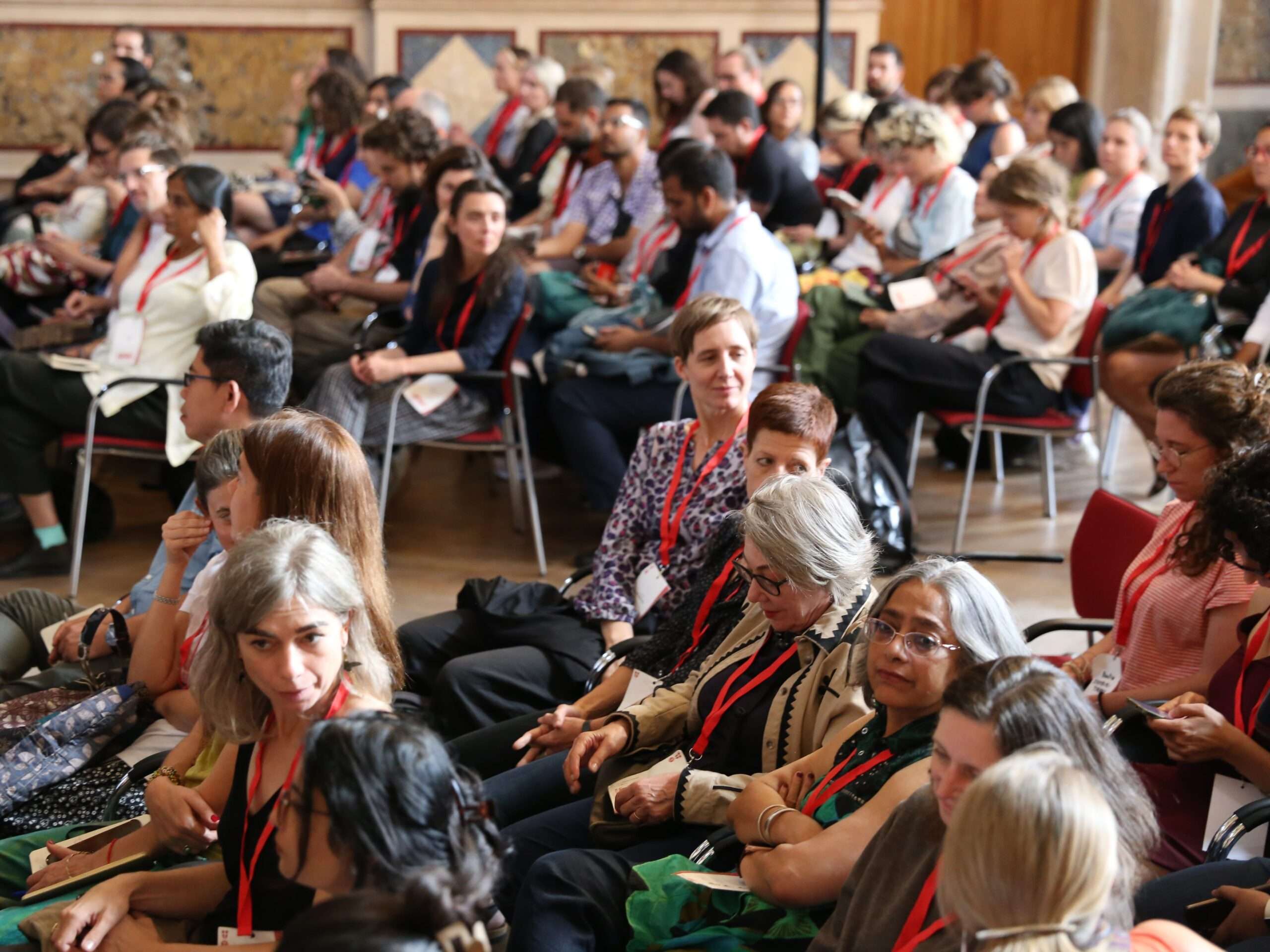
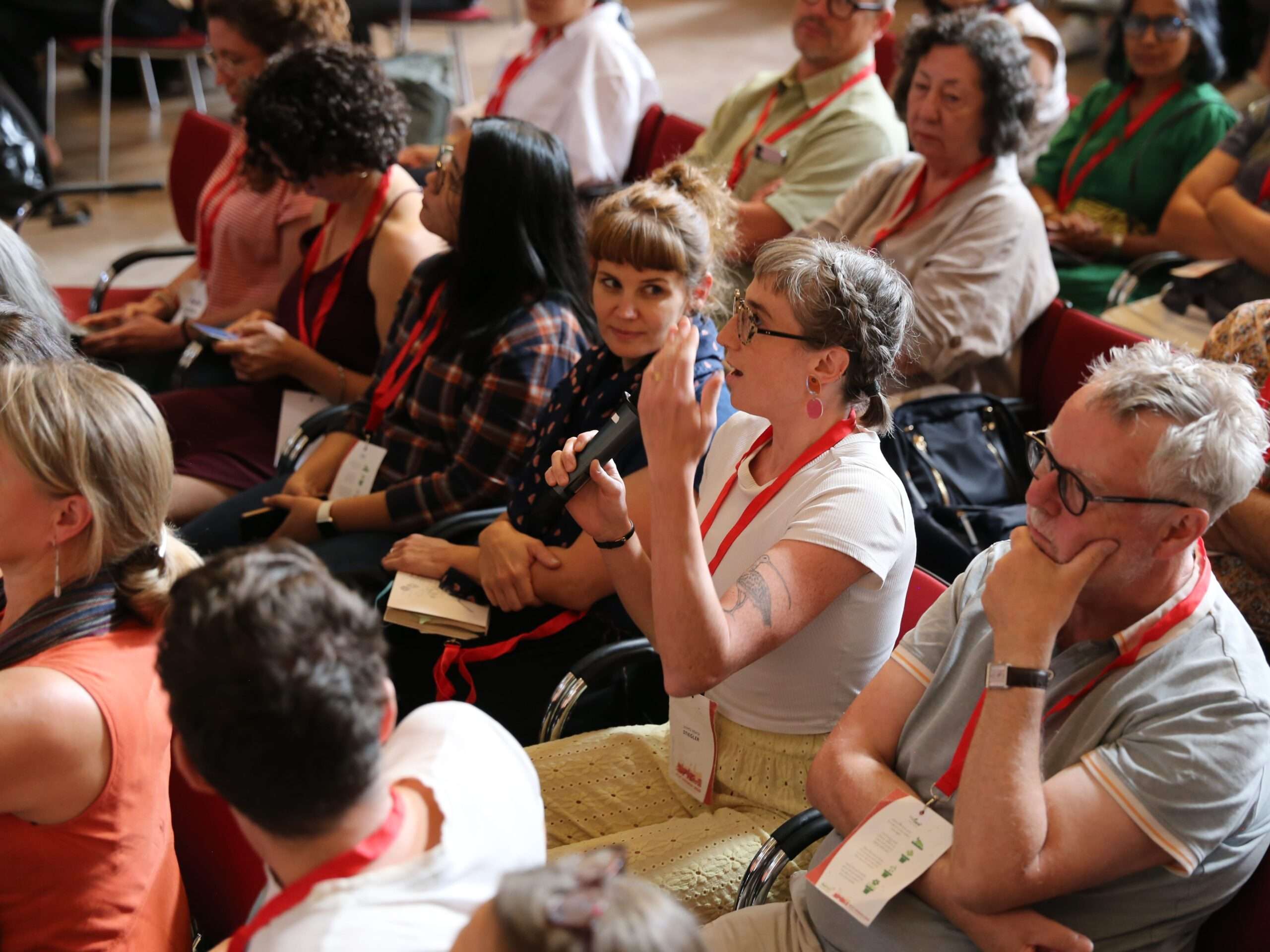
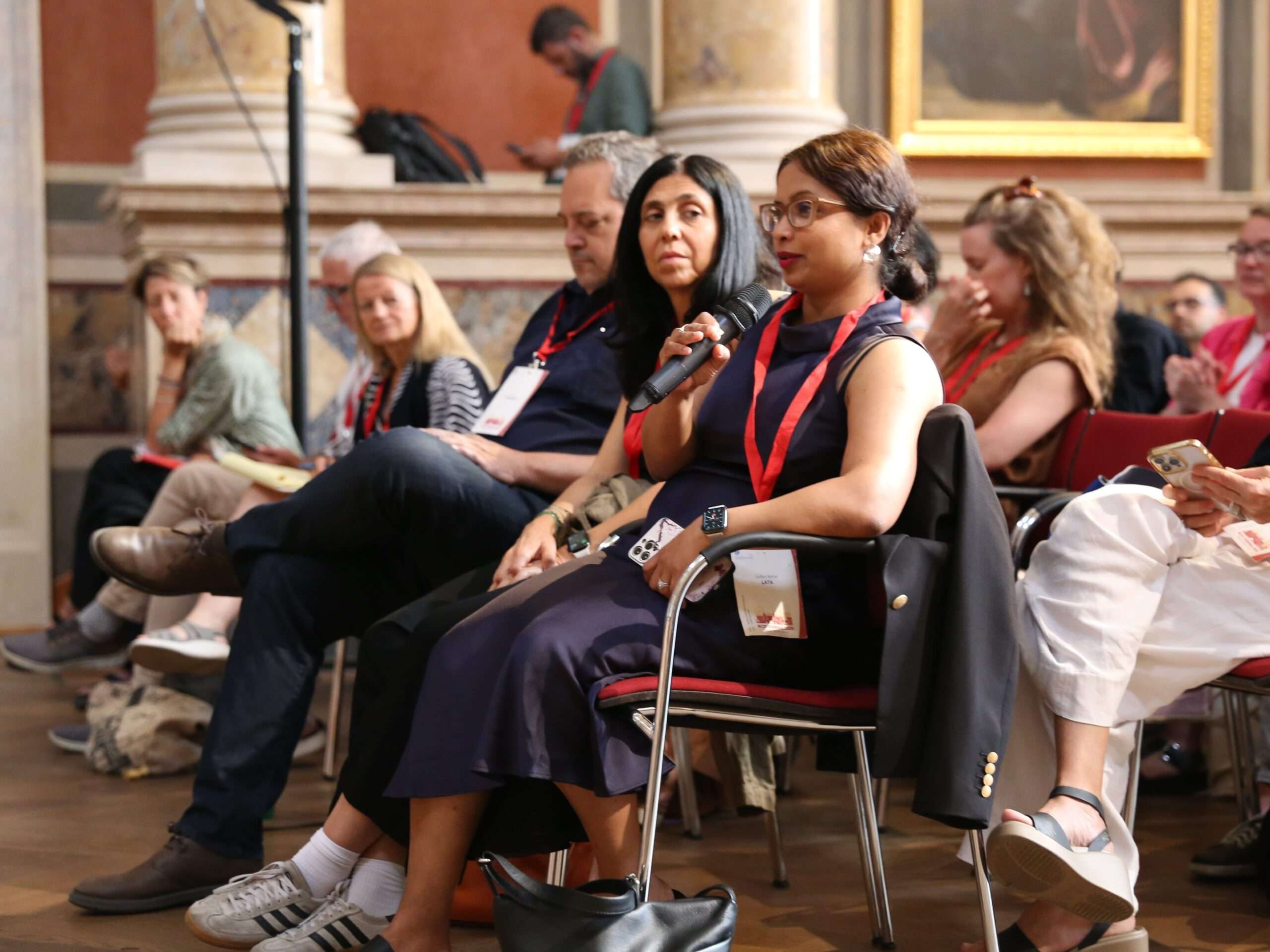
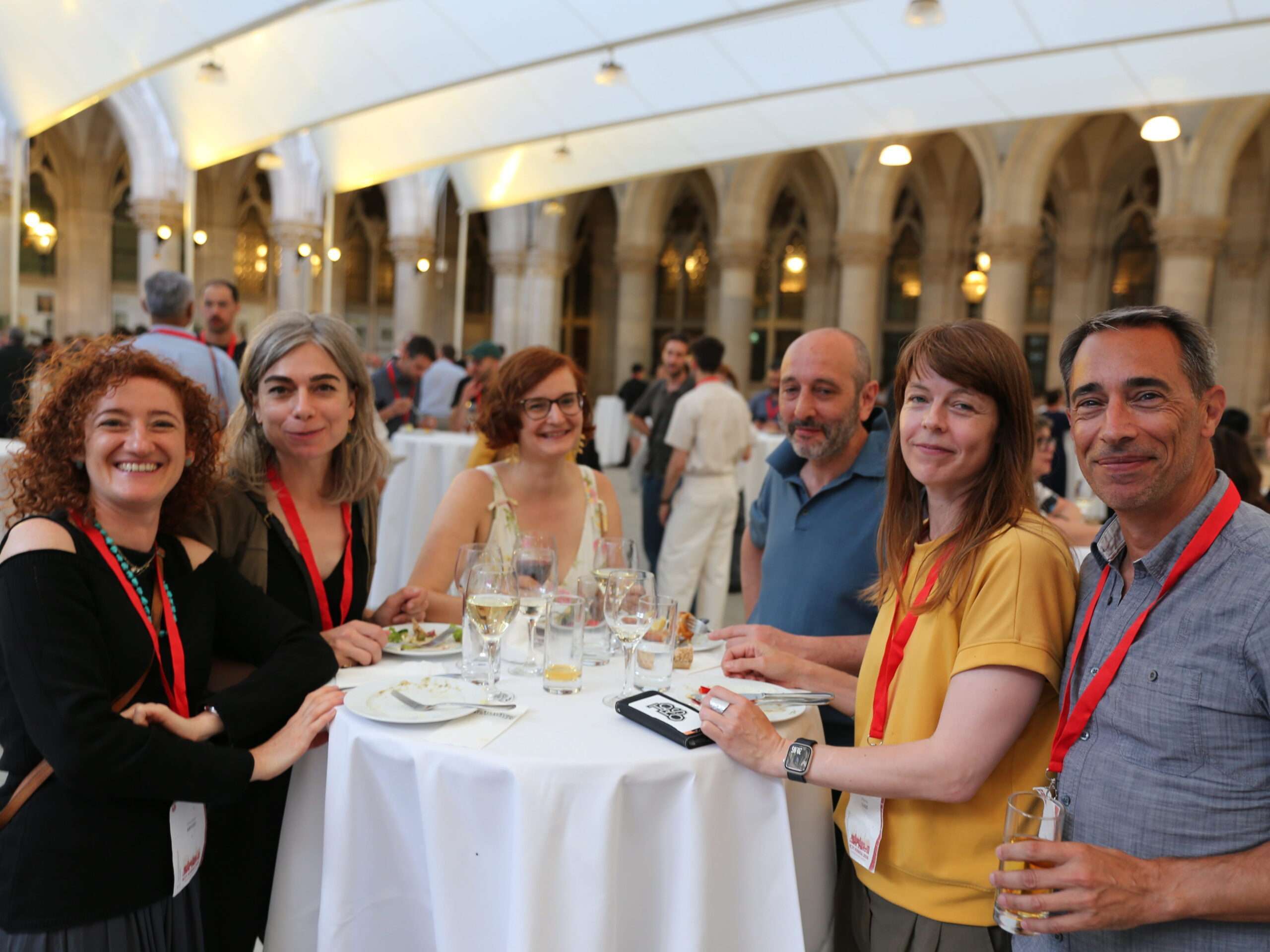
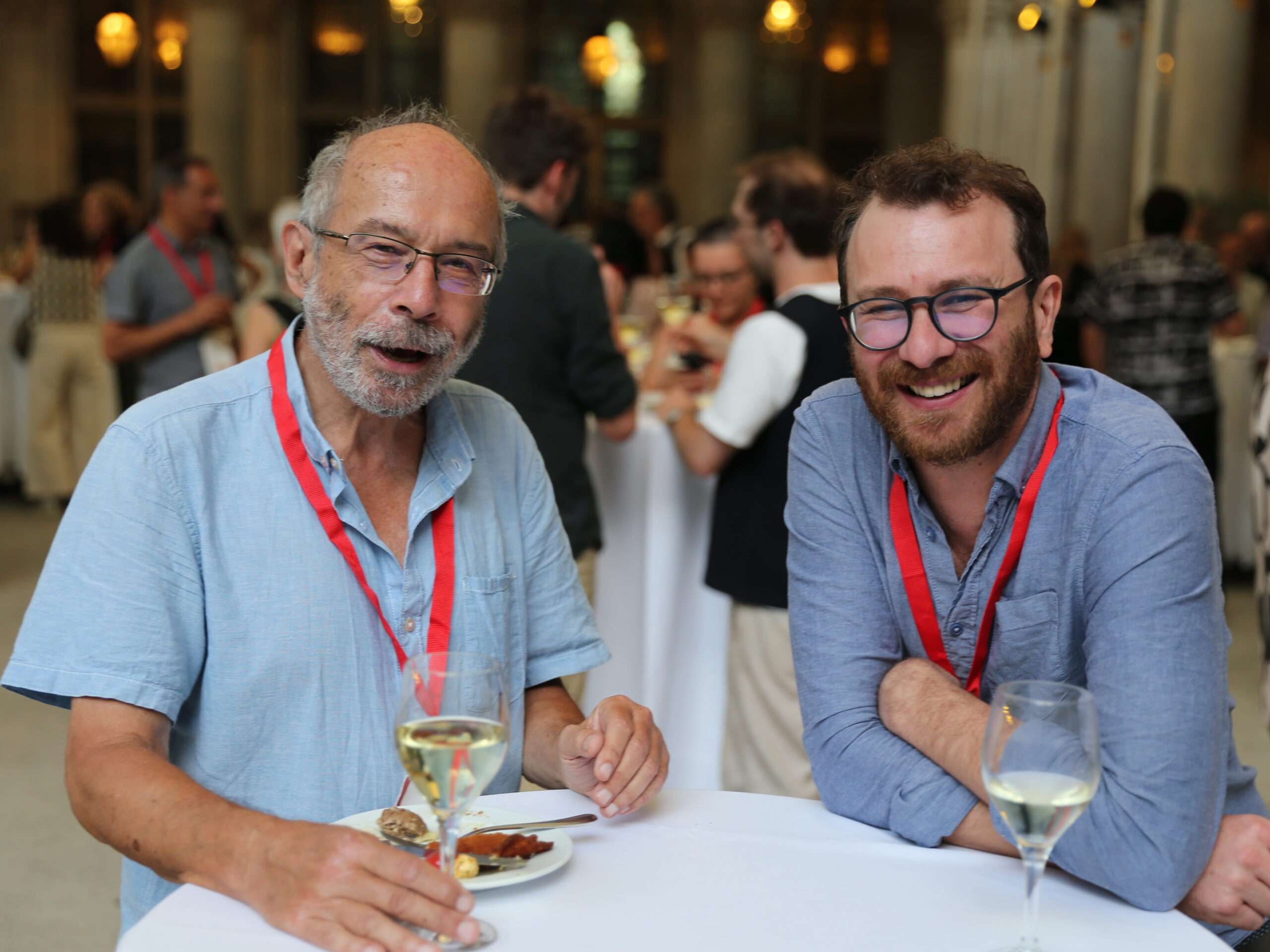
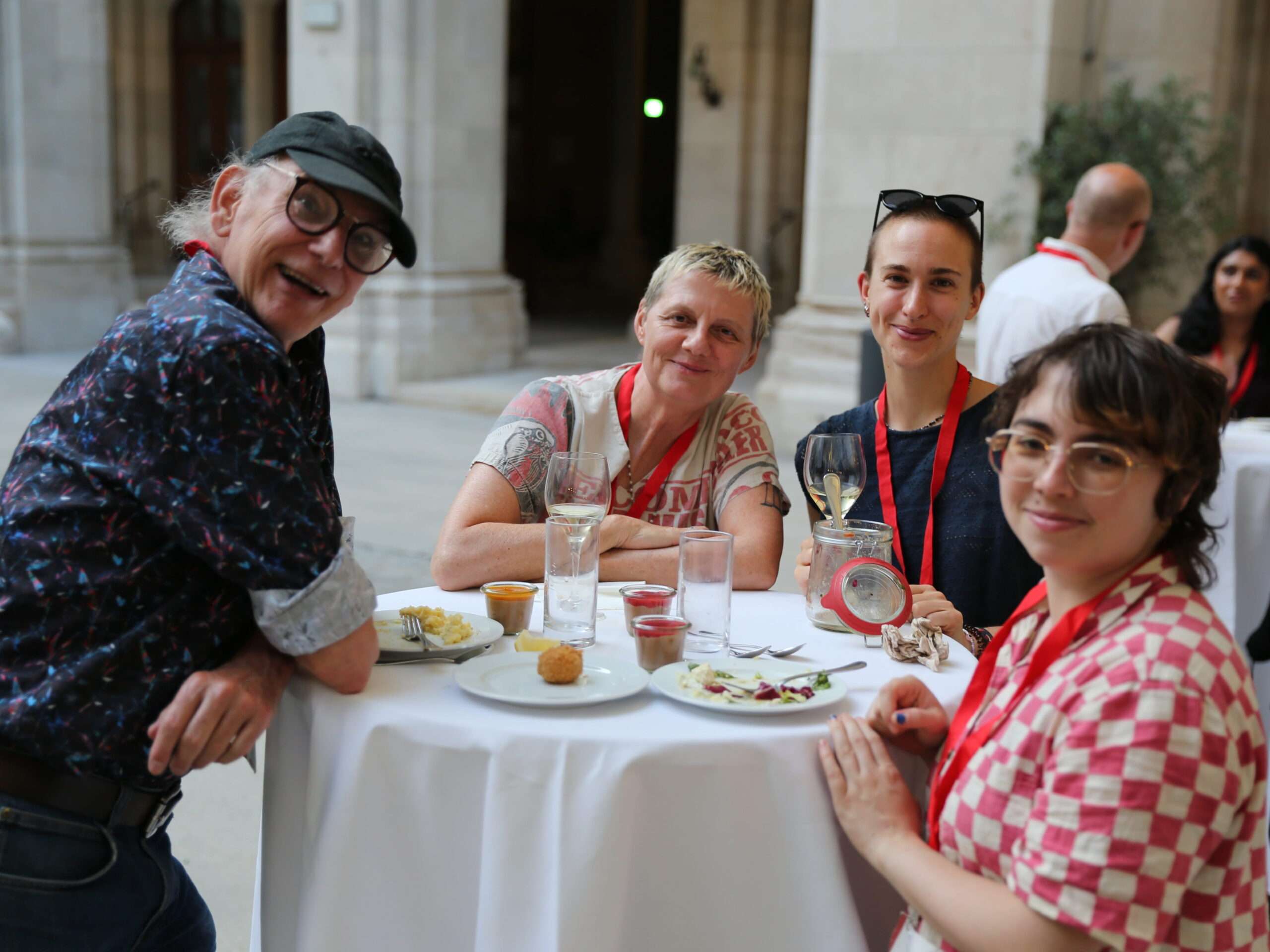
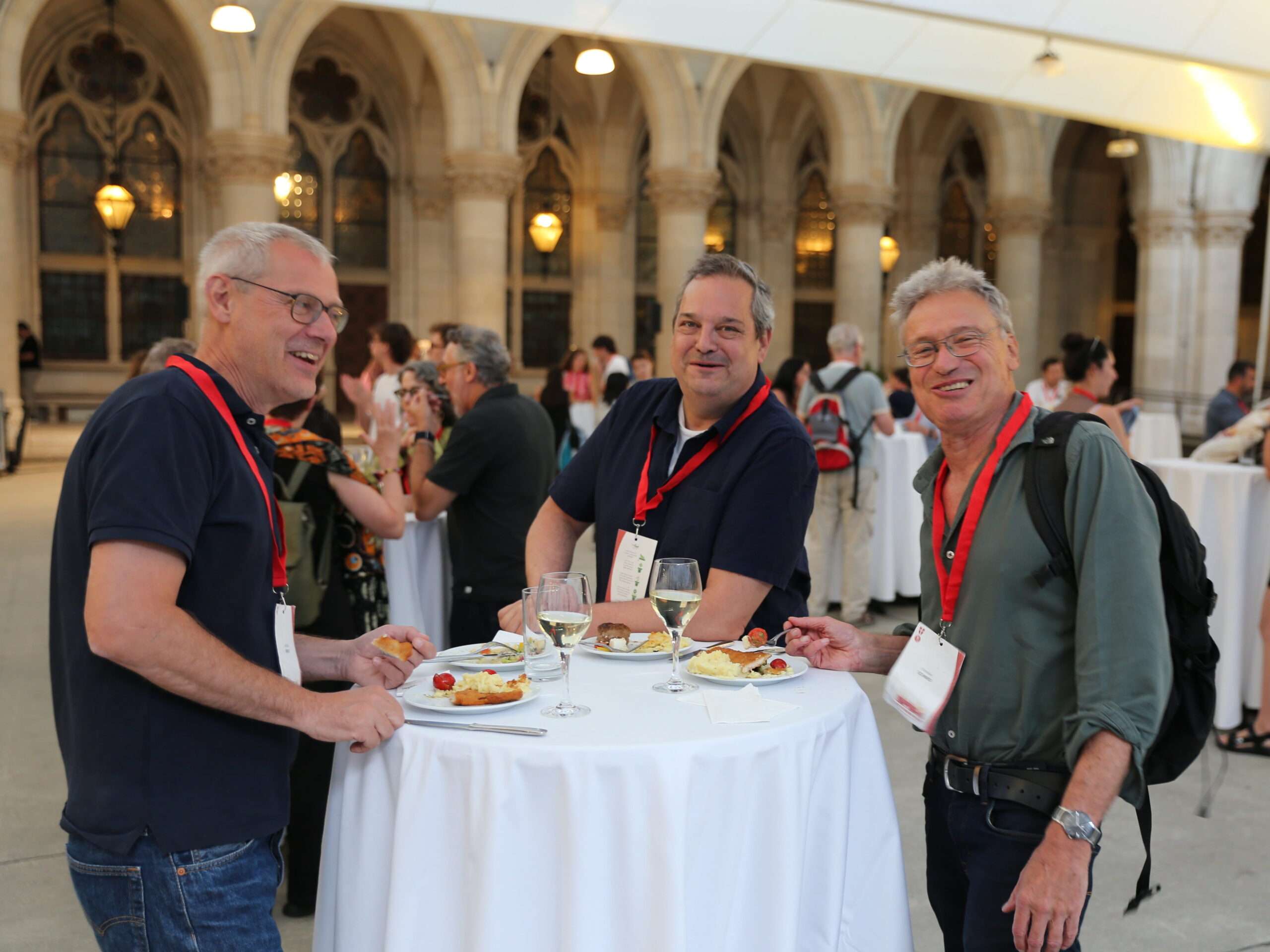
With 1,200 participants from 96 countries registered, the RC21 Conference 2026 in Vienna was the largest RC21 conference to date. The University of Vienna’s main building and courtyard provided a wonderful setting for social and academic exchanges. During the conference, participants discussed their research in more than 120 sessions under the theme “Inequalities and the City: Old Issues, New Challenges”.
Day 1 (20 July, 2026)
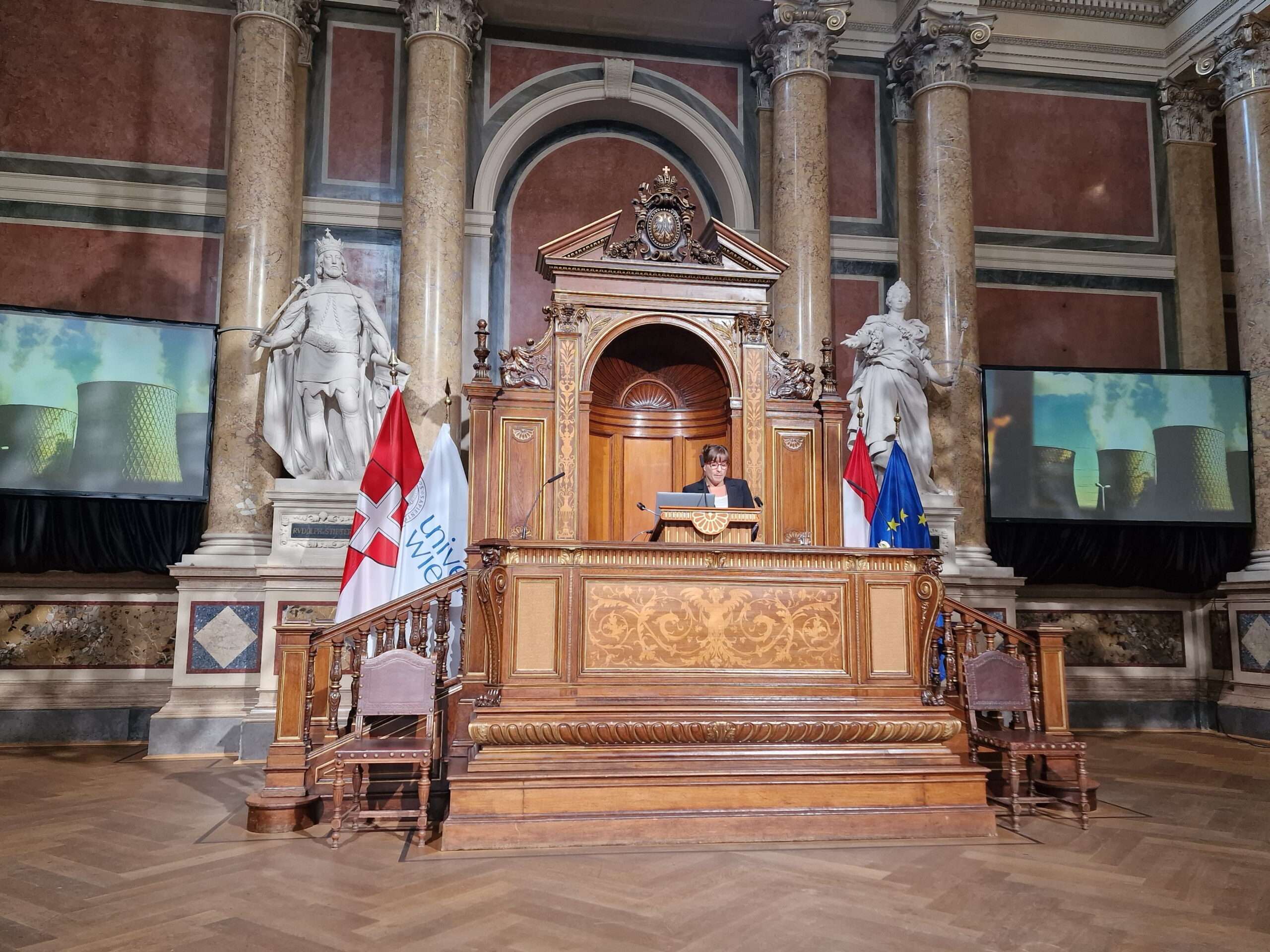
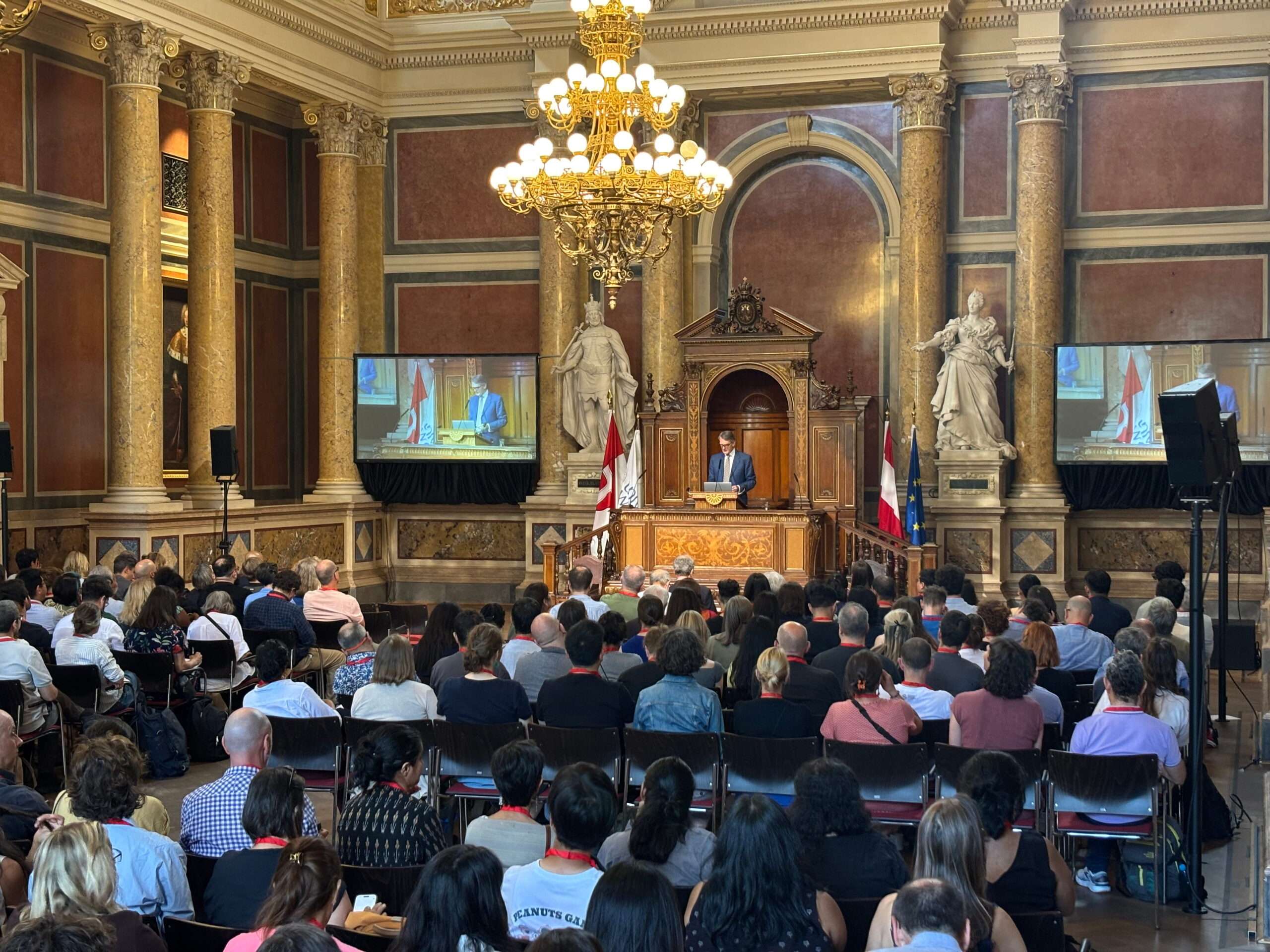
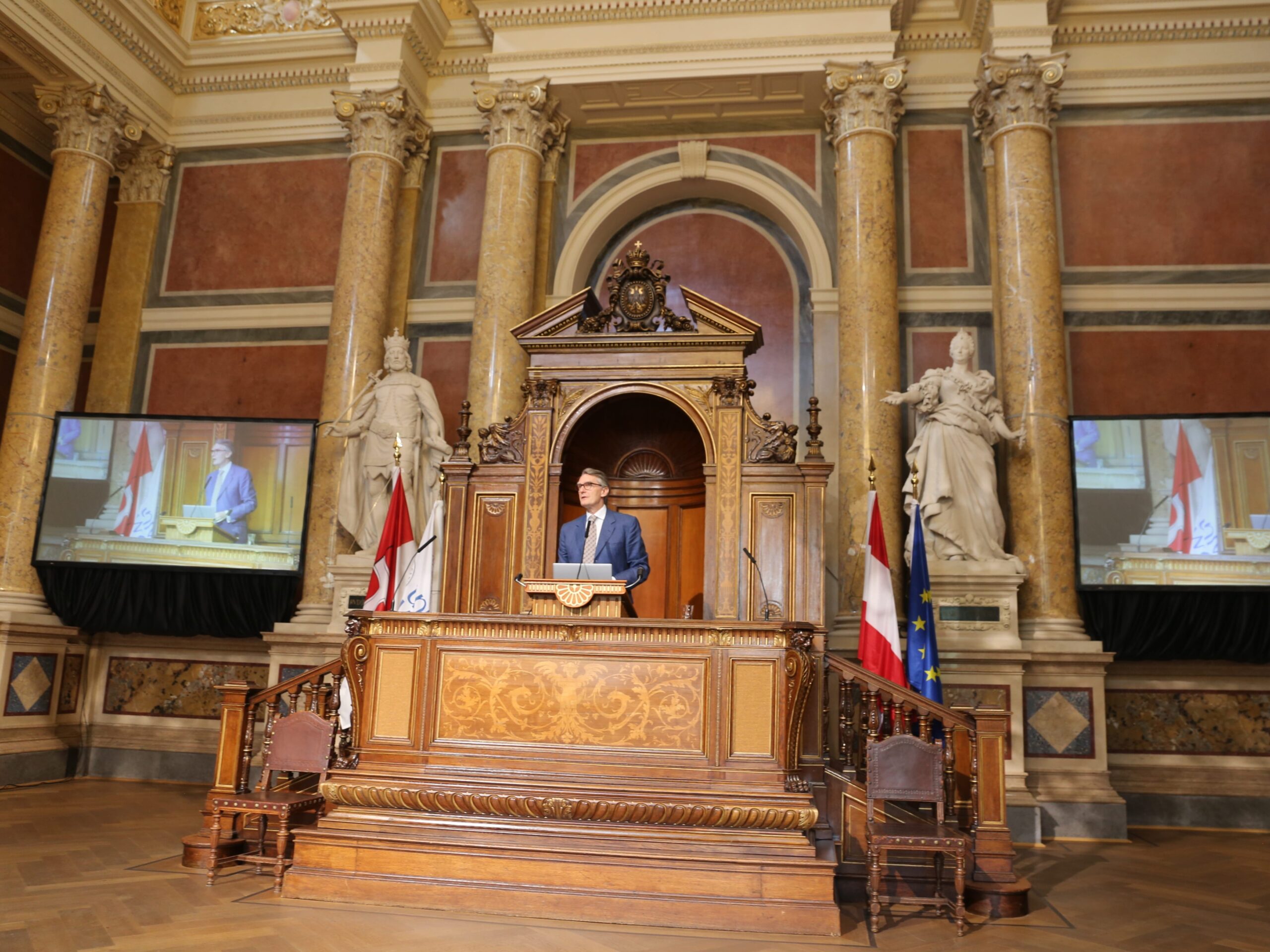
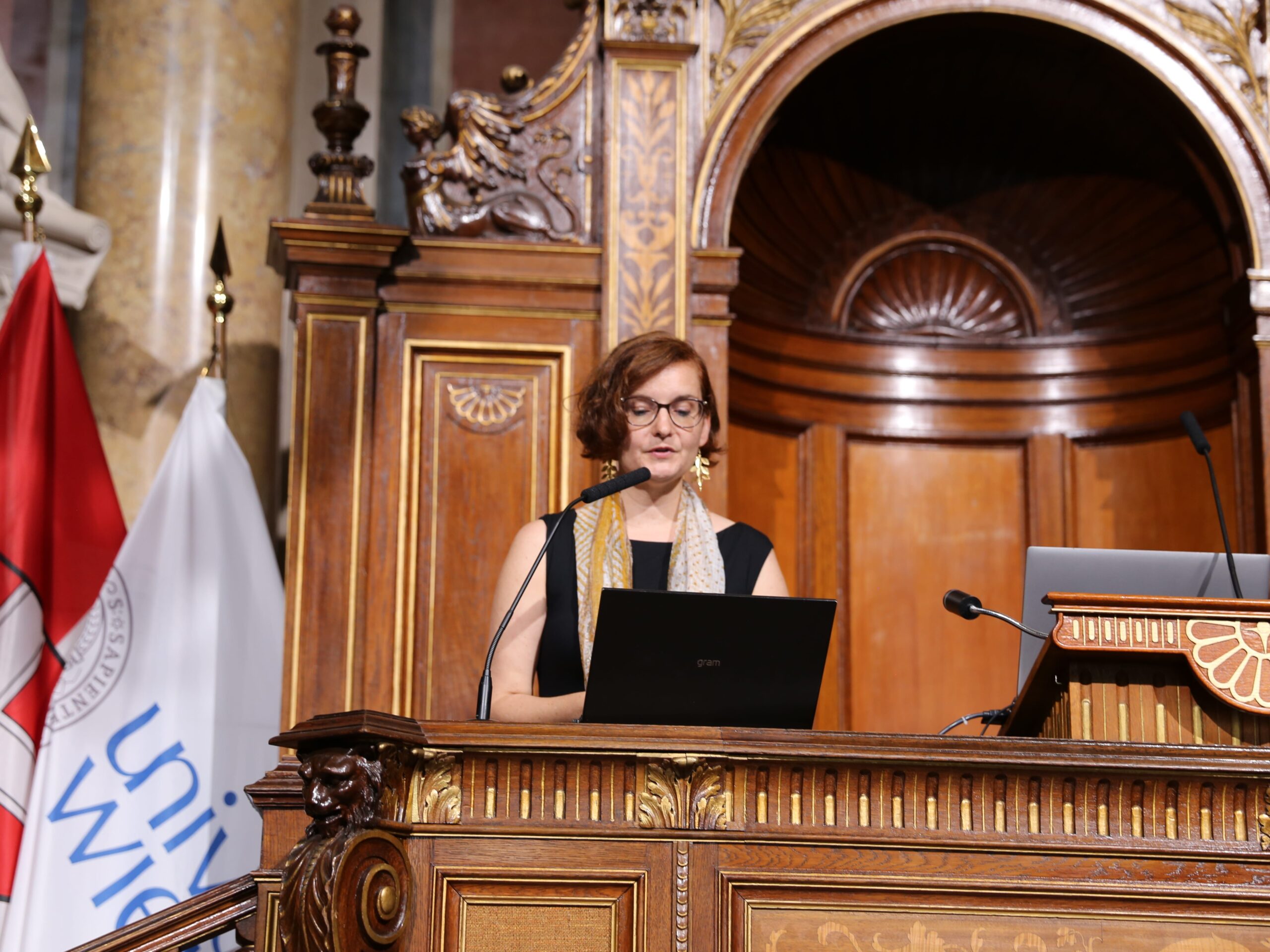
Sebastian Schütze, rector of the University of Vienna welcomed all participants in a festive atmosphere in the university’s grand hall (Großer Festsaal)
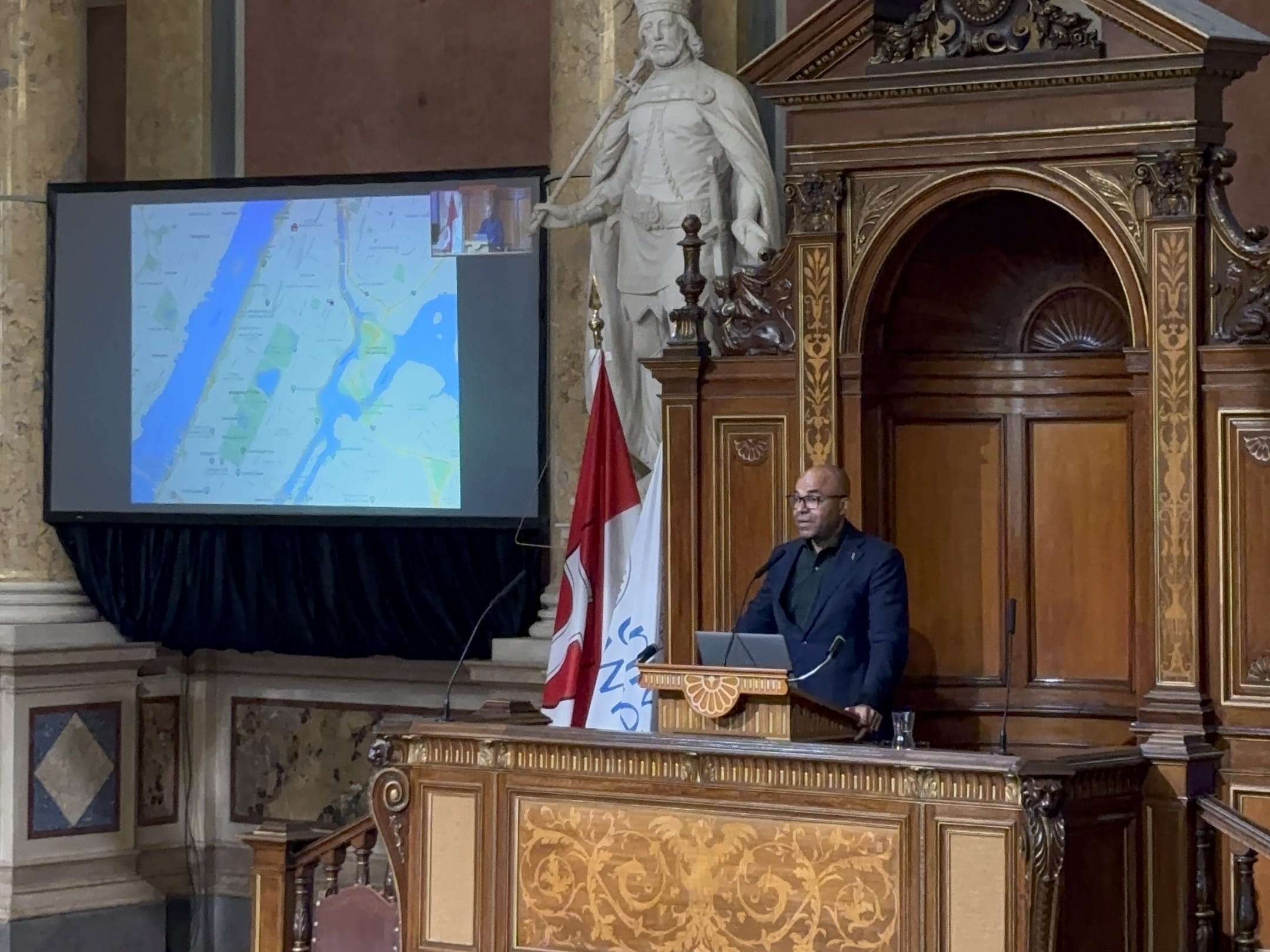
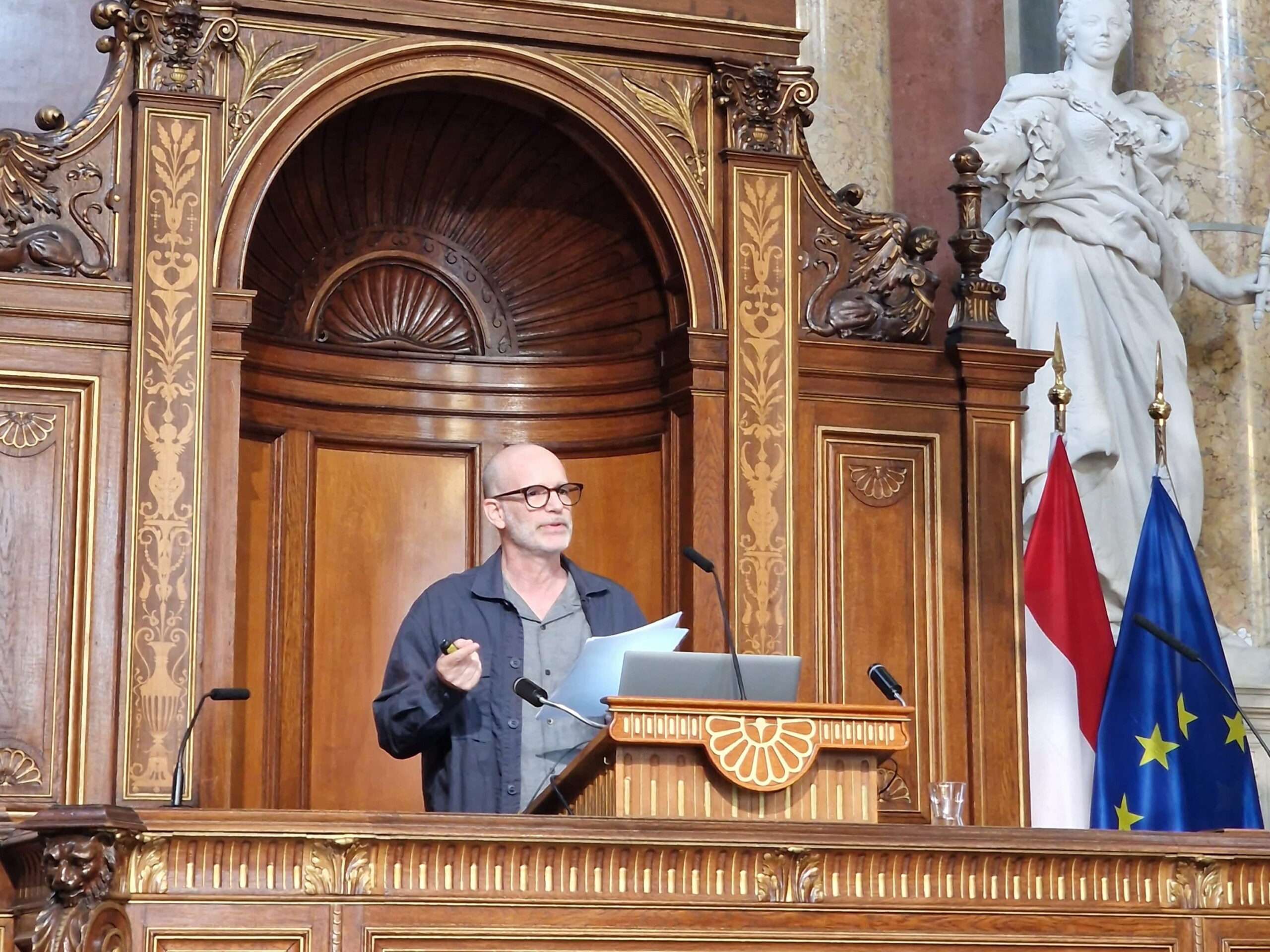
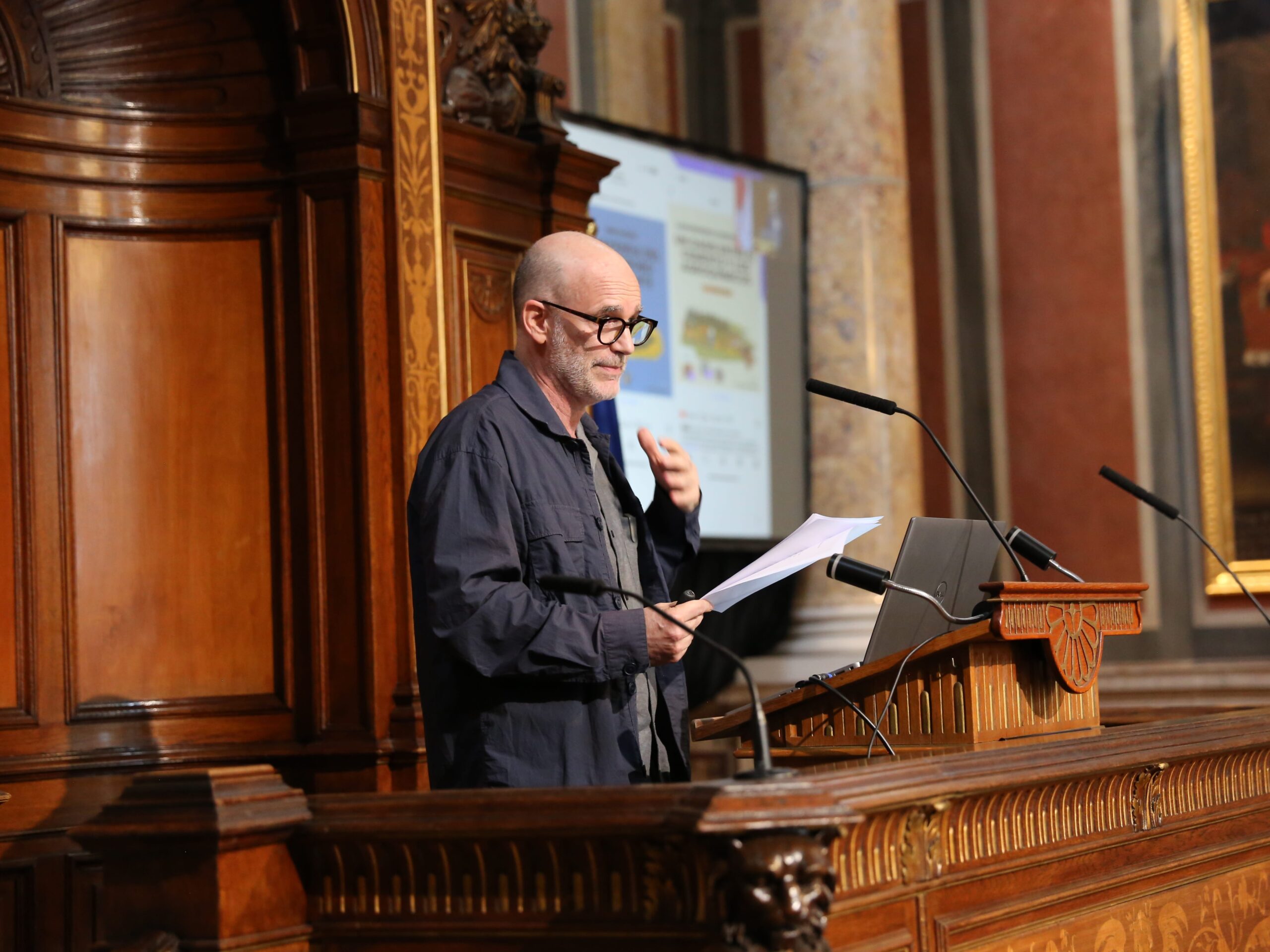
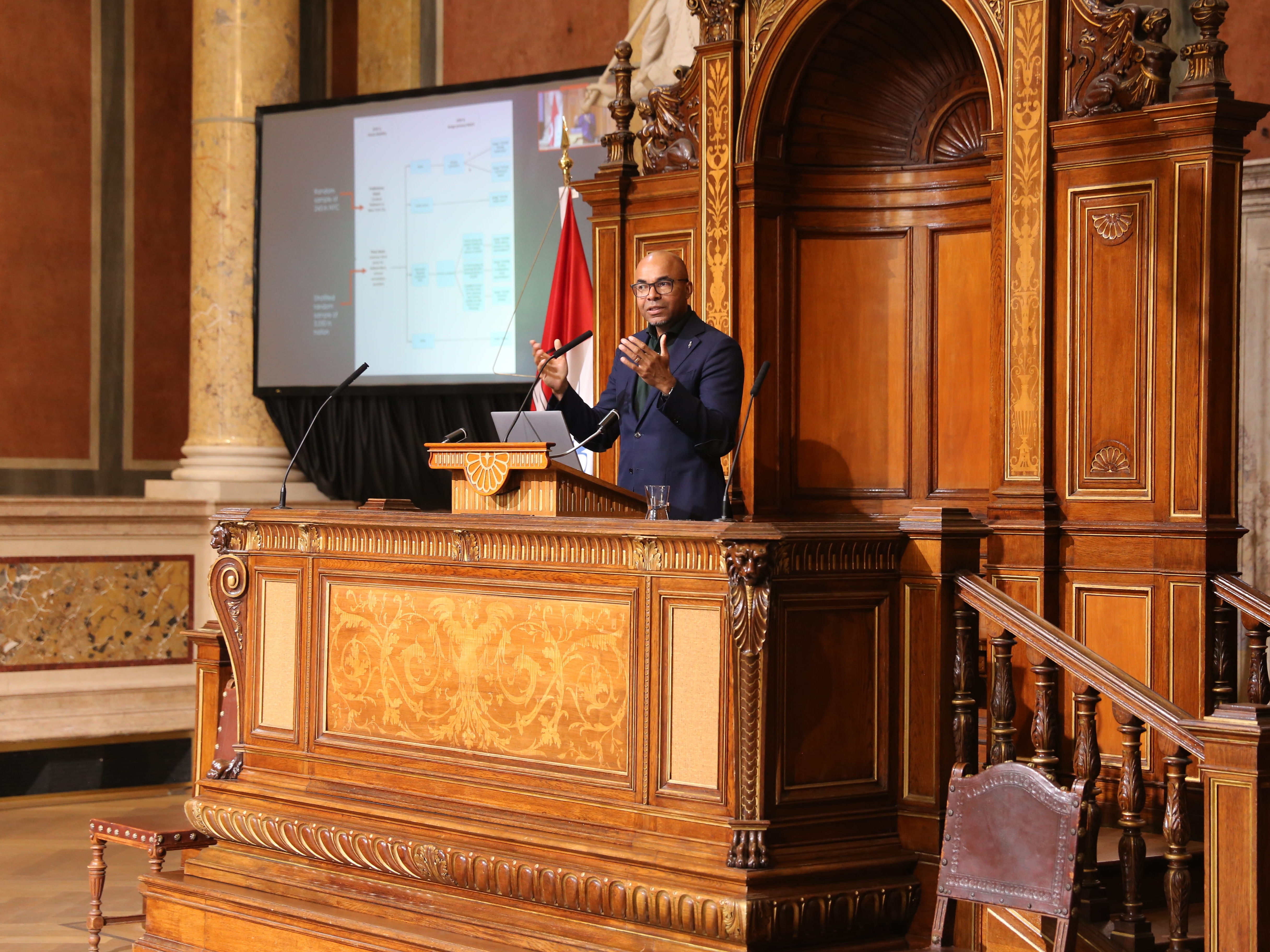
In the first keynote, Mario L. Small discussed the promises and perils in the study of social inequality in times of the data revolution. Drawing on empirical research on neighbourhoods, he reflected on the opportunities and limitations of using large-scale data to answer important questions about urban inequality.
Day 2 (21 July, 2026)
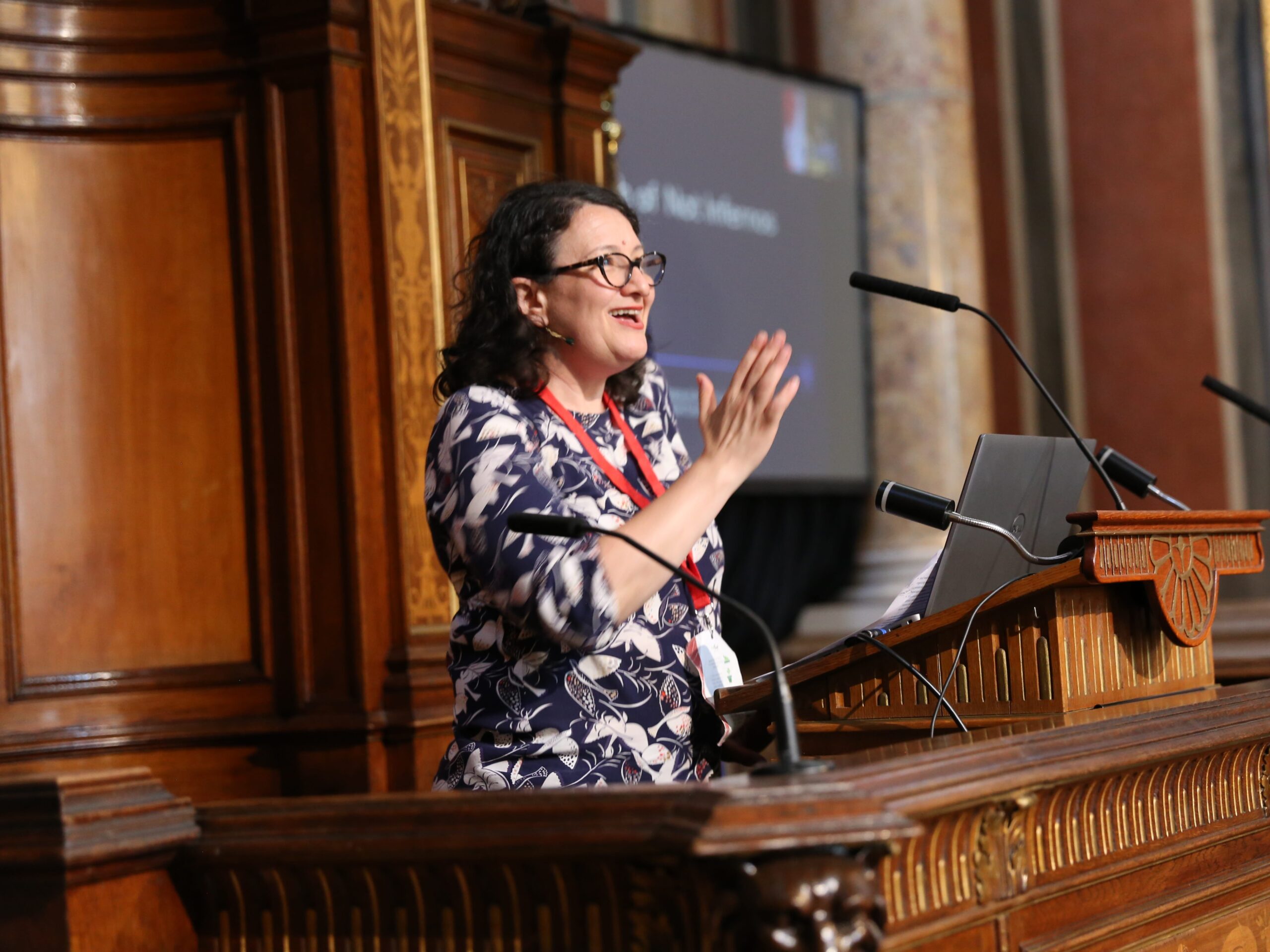
Javier Auyero’s keynote invited us to reflect on the enduring value of ethnographic fieldwork in understanding urban inequalities. Drawing on three decades of social scientific research, the keynote explored why close engagement with everyday urban life is crucial for explaining how inequality and marginalisation are produced and how they might be challenged.
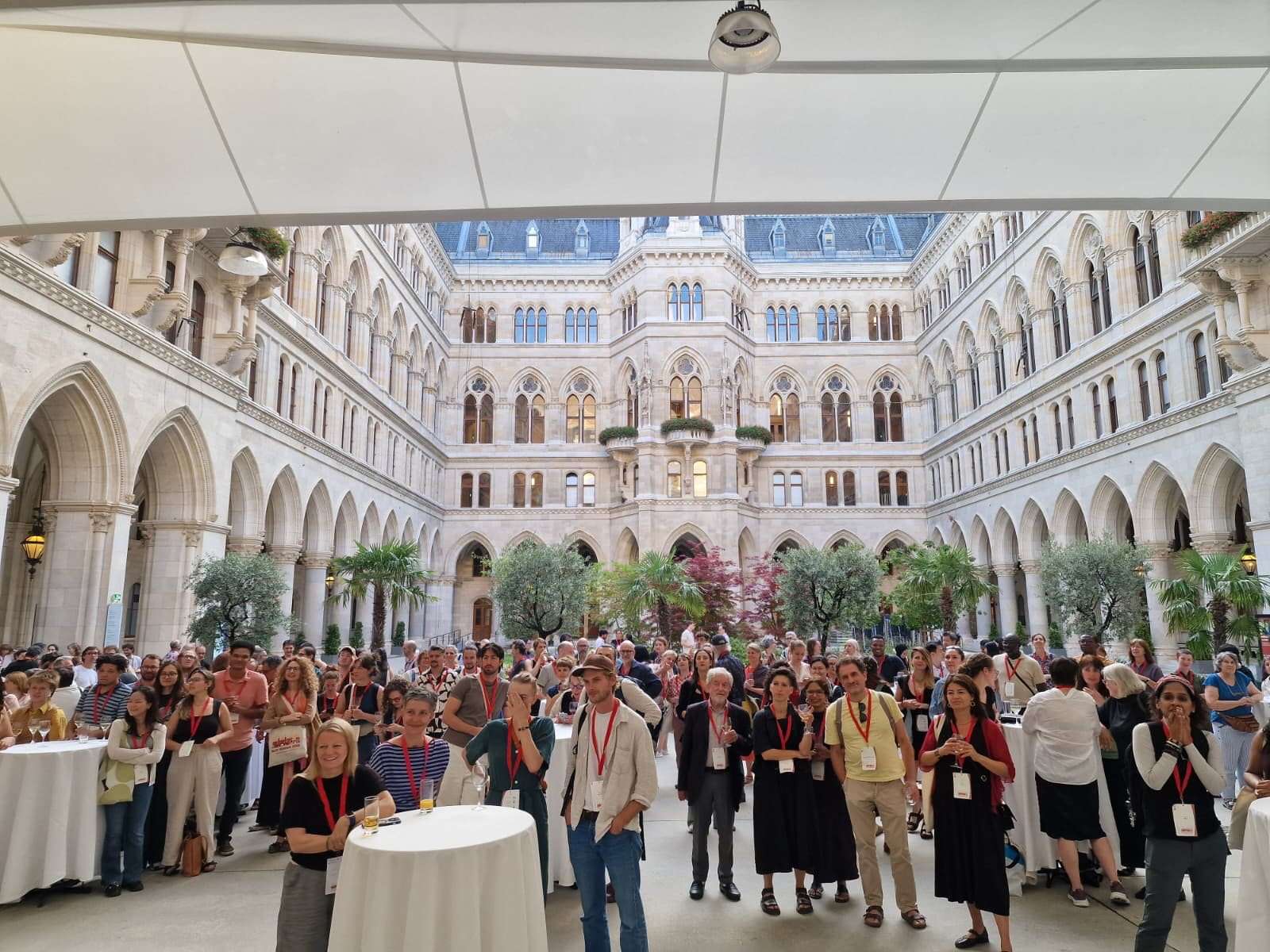
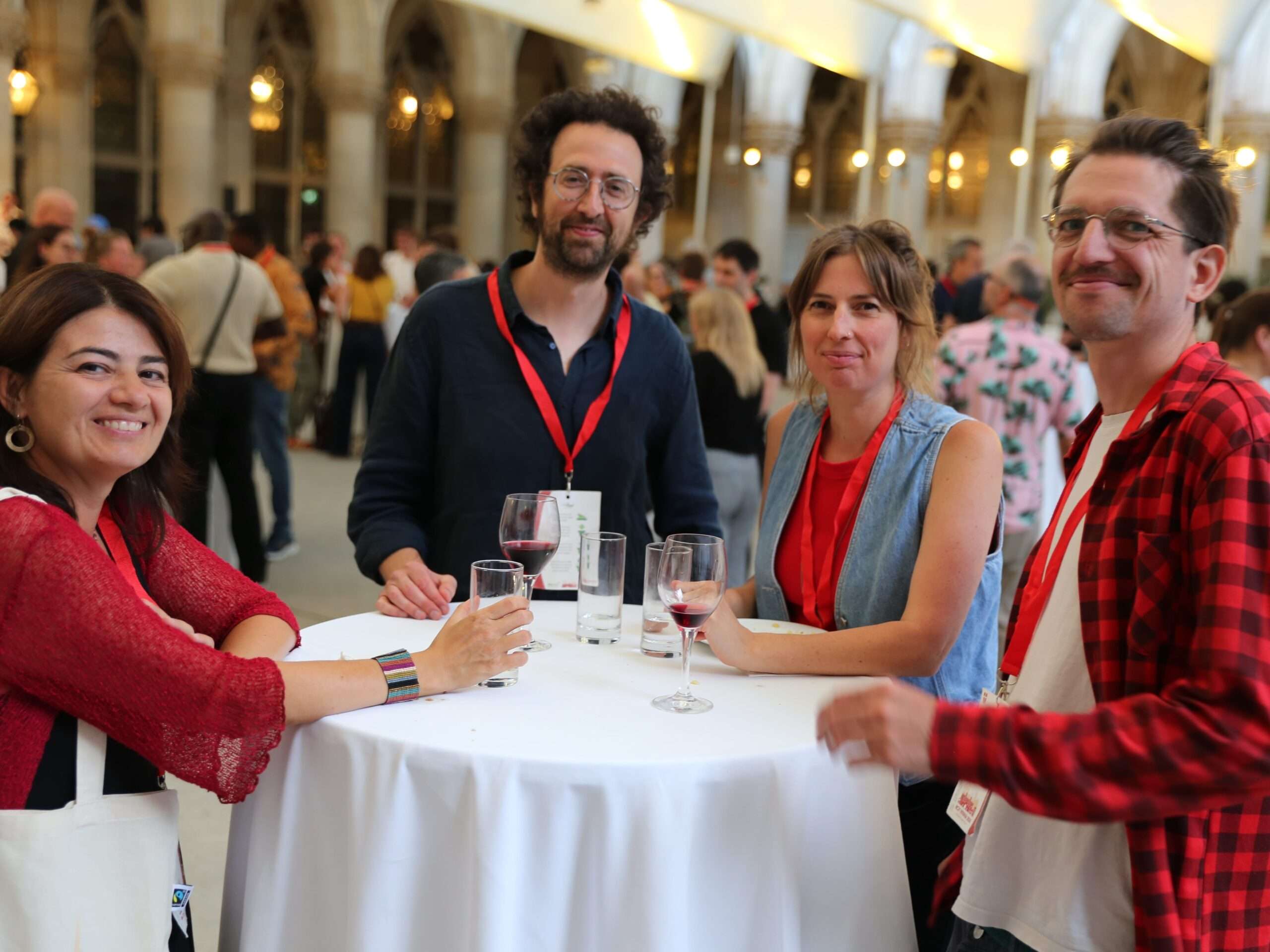
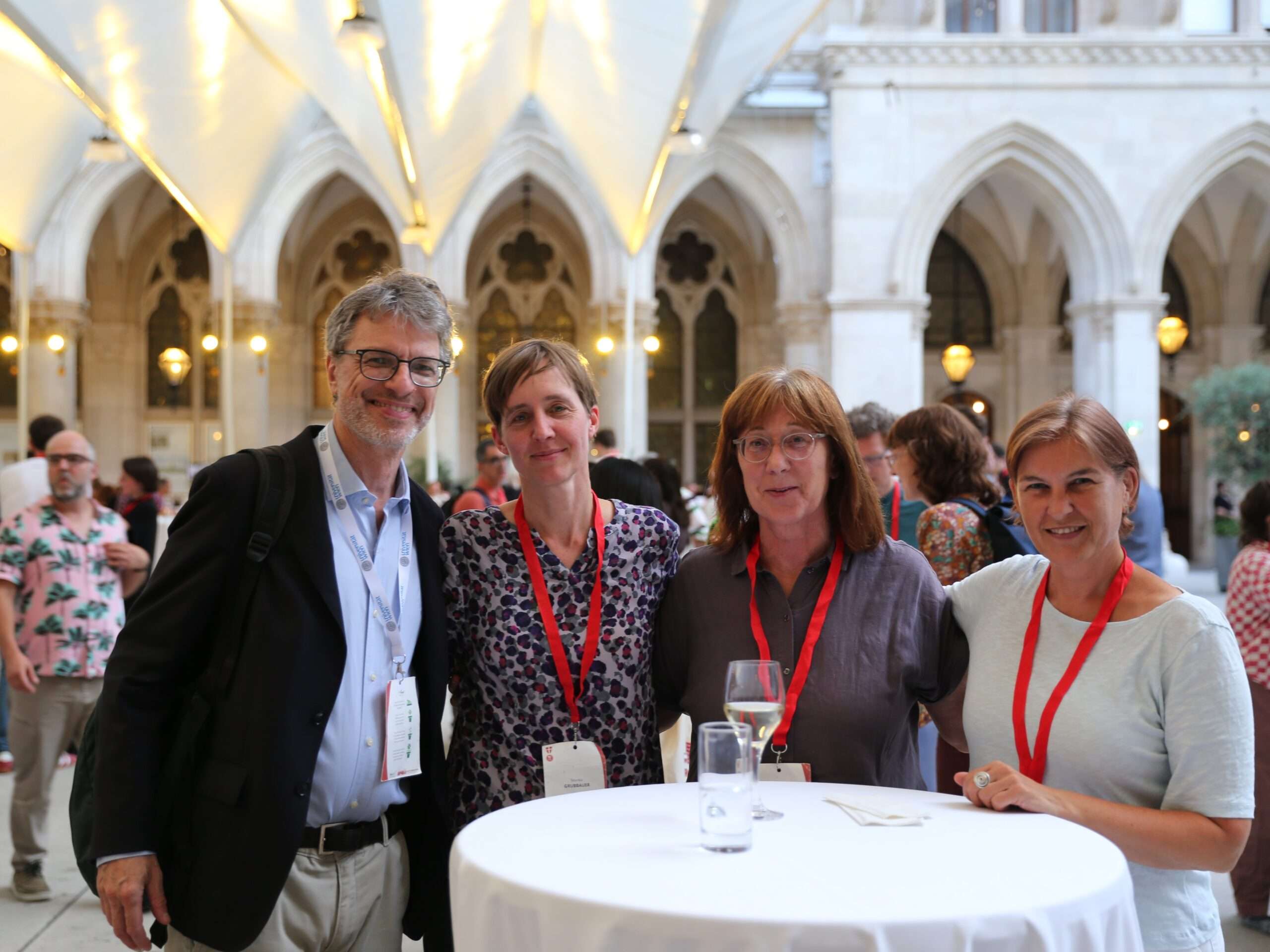
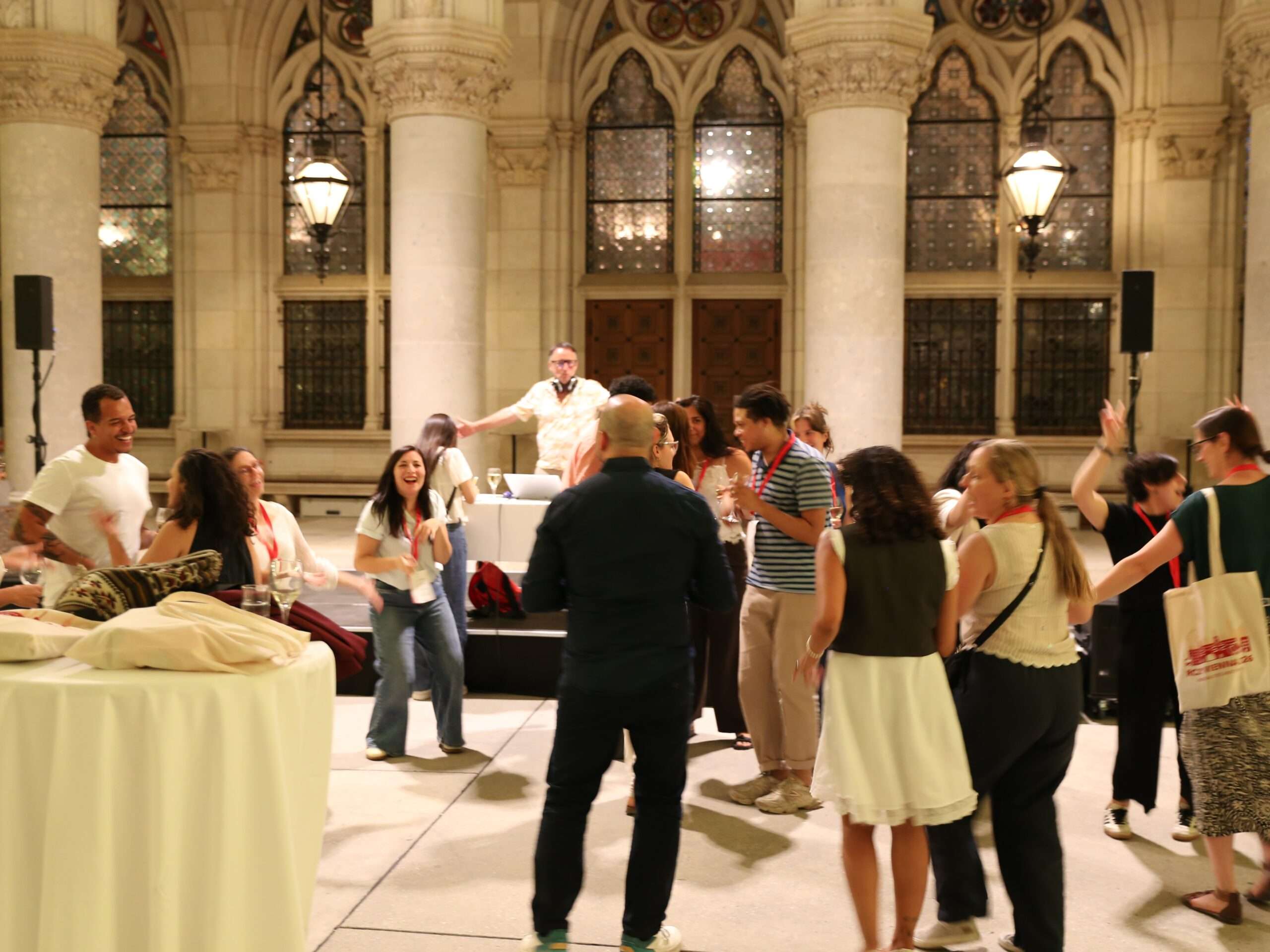
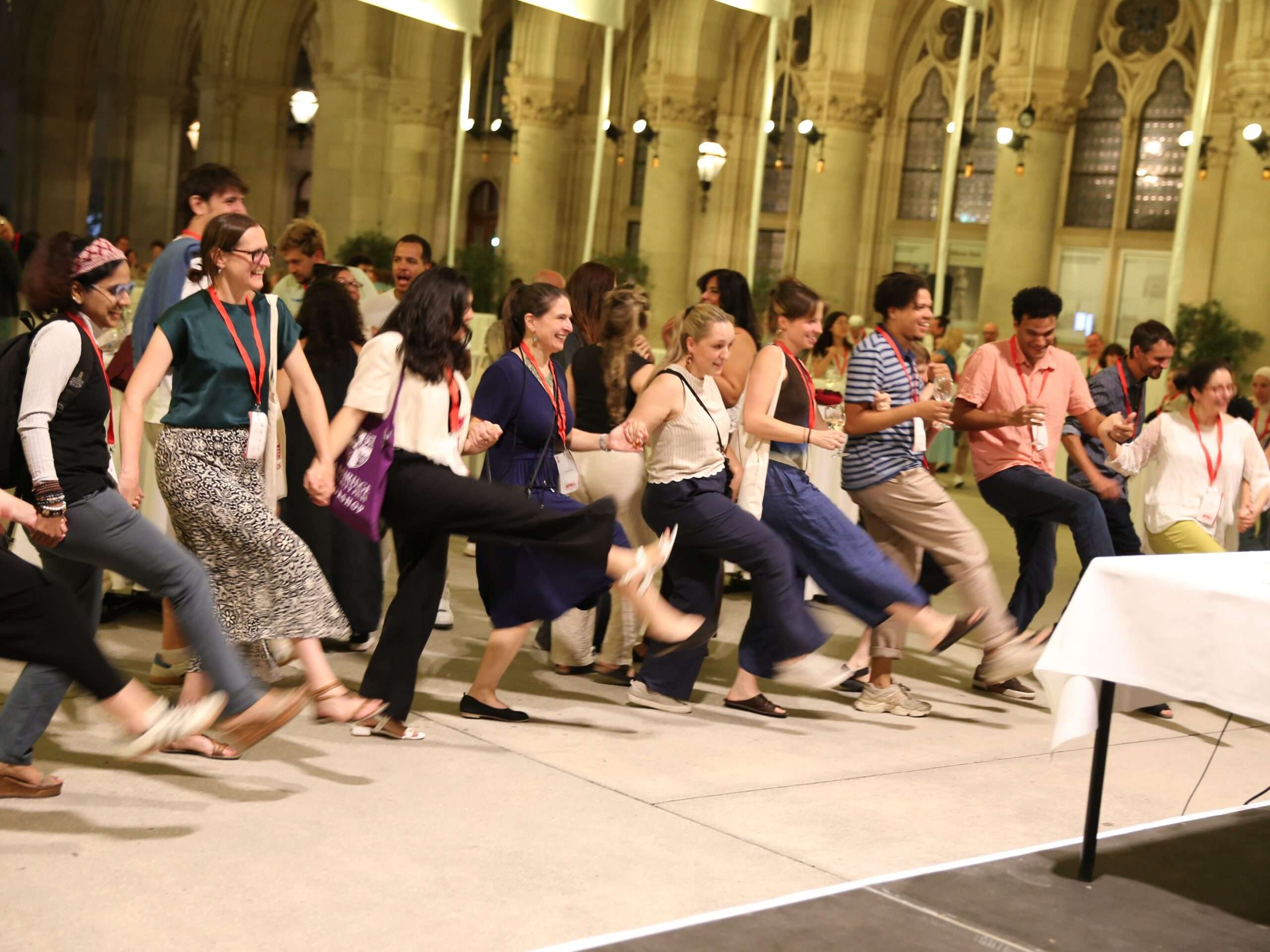
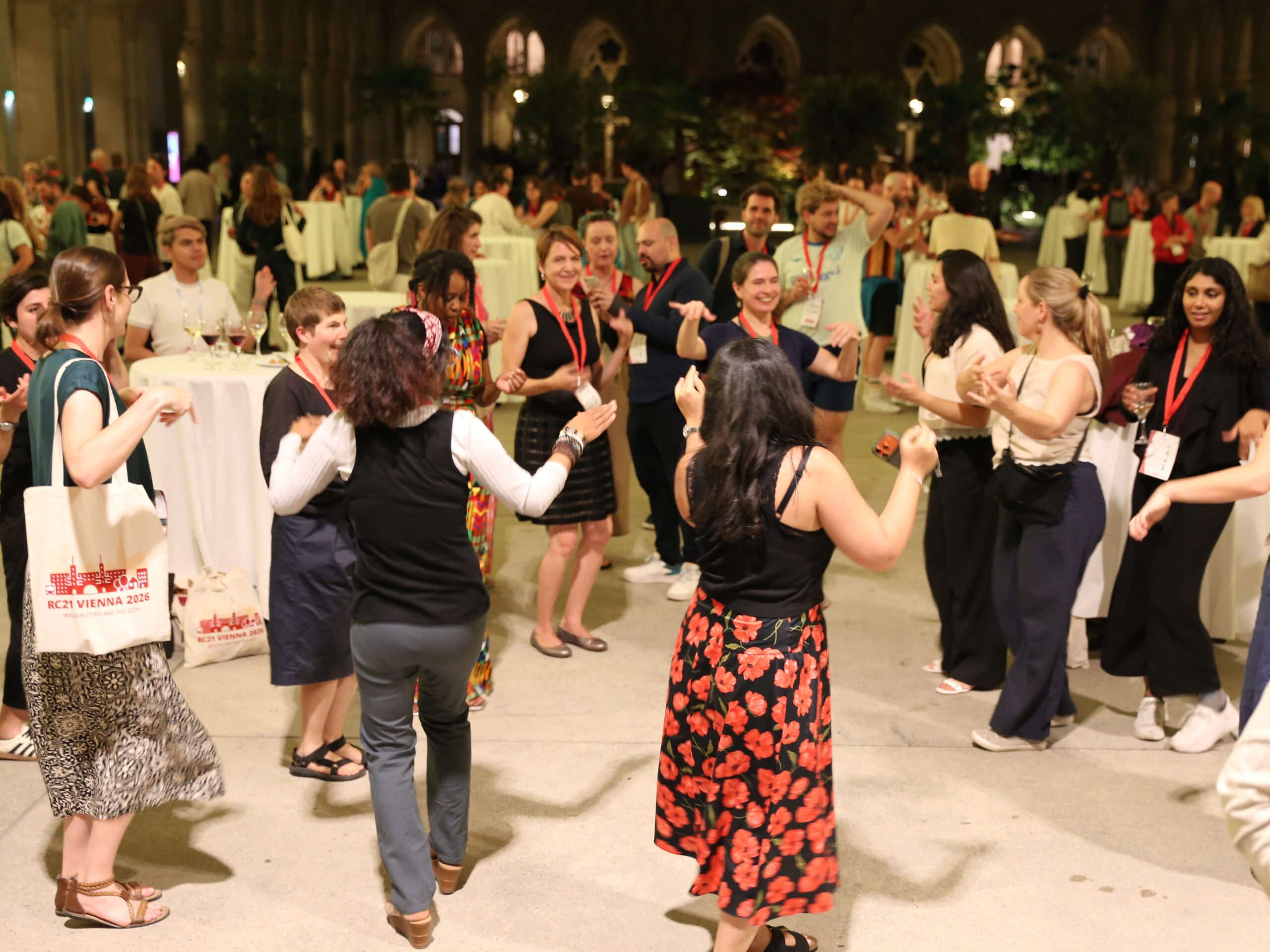
The reception at the Town Hall of the City of Vienna offered a special atmosphere to connect and for the ceremonial presentation of the award for the best poster
Day 3 (22 July, 2026)
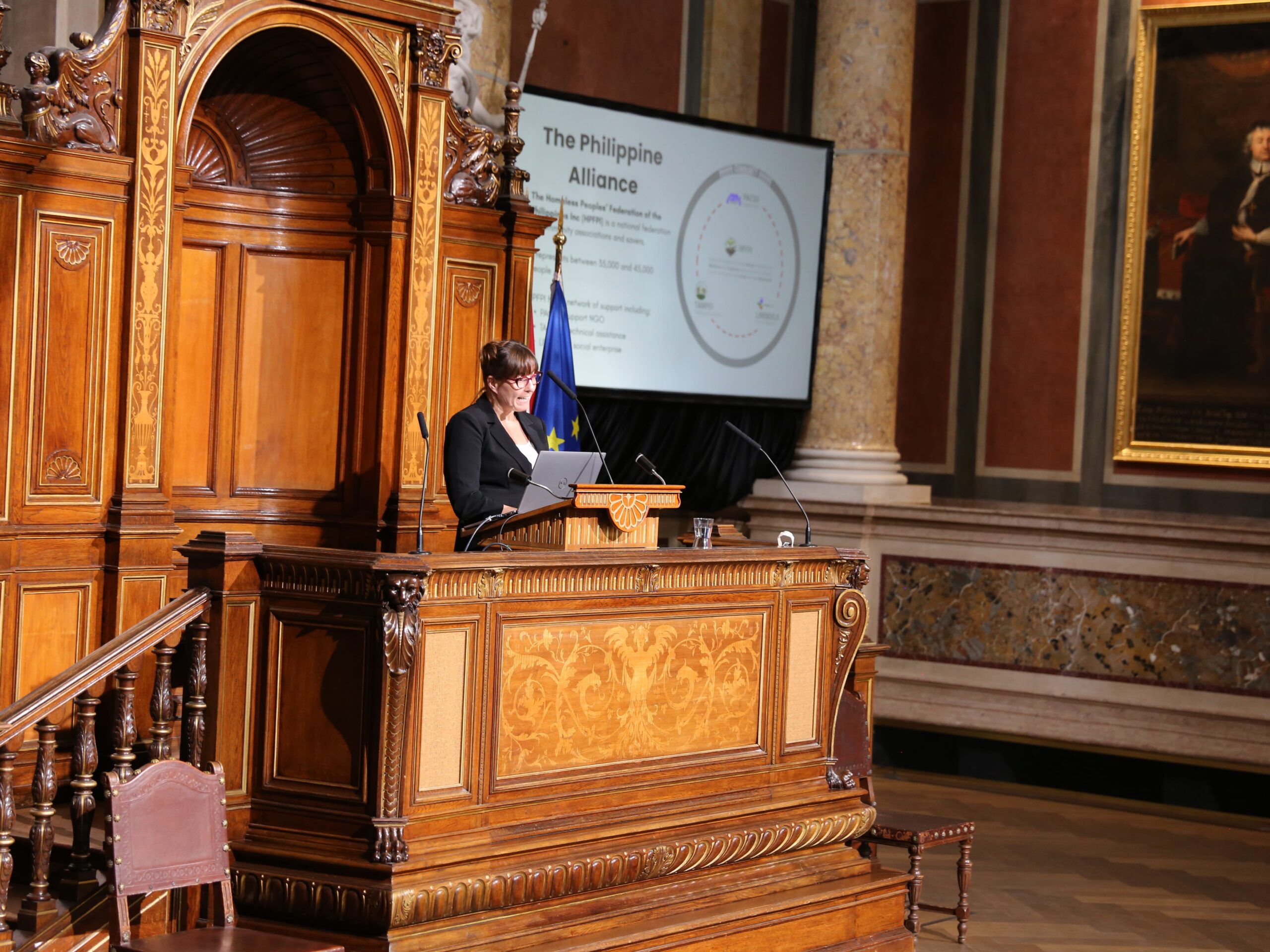
Vanesa Castán Broto’s Keynote “Life in the City in Times of Climate Urbanism” explored how cities are responding to climate change while questioning who benefits from these transformations. Drawing on collaborative research in the Philippines, the keynote highlighted the importance of everyday urban experiences in addressing climate challenges and creating more just and inclusive approaches to urban climate action.
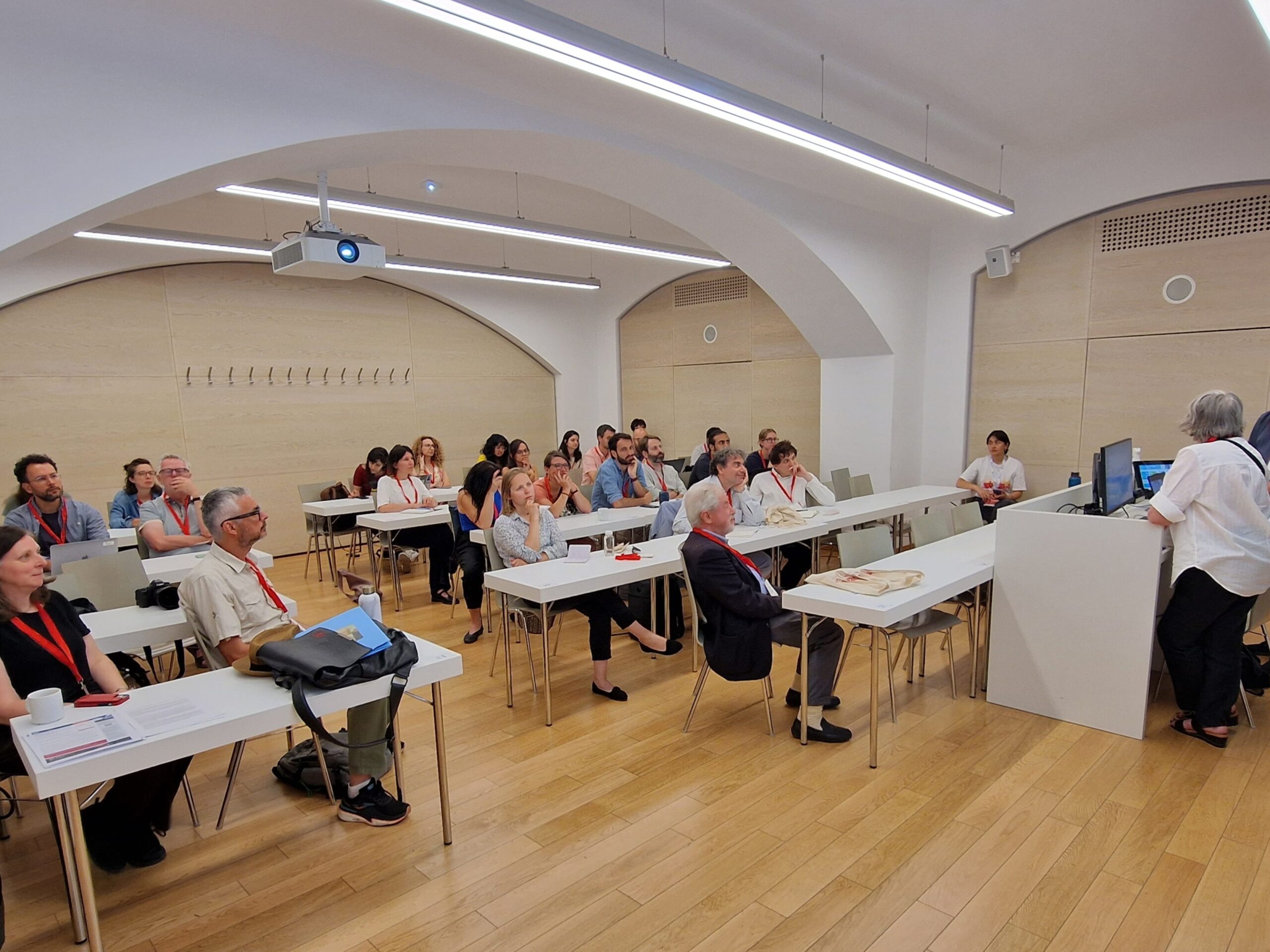
Before the RC21 Conference, the 8th Doctoral School in Comparative Urban Studies brought together 25 early-stage PhD Students from 17 nationalities and various disciplines for an intensive 10-day Programme of lectures on methods/approaches in comparative urban studies, and focused discussions of each of their individual Research Projects. The Doctoral School was jointly organised and funded by the RC21, the IJURR Foundation and the International Journal of Urban and Regional Research (IJURR)
Along with the RC21 Conference, the IJURR Virtual Issue, “Vienna at the Crossroads: A “Just City” Under Pressure”, was released which is now available to read here.
A heartfelt thank you to all presenters, session organisers, and chairs for the time, and effort you invested.
Your contributions made RC21 Vienna 2026 an engaging and inspiring conference!
We hope to see you in one of the following conferences!
Follow RC21 on social media to keep up to date with any future events!
LinkedIn
Facebook
Urban Radar podcast episode on RC21 2026
In the July edition of their podcast, Urban Radar, Tom Goodfellow (University of Manchester) and Beth Perry (University of Sheffield) collected voices from the RC21 Conference 2026 in Vienna and discussed recent urban issues.
RC21 Conference on Urban and Regional Development
Inequalities and the City
Old Issues, New Challenges.
20-22 July 2026
hosted by University of Vienna
About the conference
As urban populations continue to expand, so too do the challenges and risks confronting their inhabitants. Issues emerging at both local and global scales present enduring tests to the sustainability of urban coexistence. Pollution, housing shortages, social segregation, and imbalances of political power are but a few notable examples. Such issues have profound implications for residents’ well-being and contribute to deepening inequalities both between cities and within them. While the specific character of these challenges varies – shaped by each city’s context—phenomena such as climate change, armed conflict, and socio-economic globalization have introduced rapidly evolving obstacles that bind cities together in a complex web of shared predicaments. Some of these issues are deeply rooted in historical processes, while others are distinctly novel, posing fresh theoretical and methodological challenges for the study of inequalities in the city.