Programme
Timeline
This timeline was last updated on 27 July, 2026.
The Call for Sessions is now closed!
The Calls are now closed.
Stay up to date with the conference app!
With the Ex OrdoApp you always have the current Conference programme at hand and will receive updates directly on your smartphone.
Programme Overview
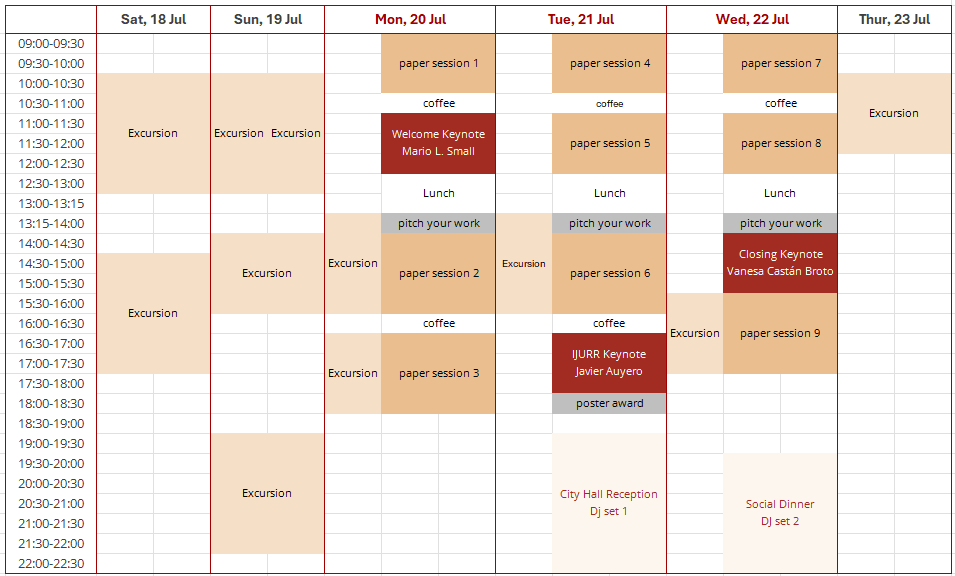
View the full conference programme here:
The PDF programme was last updated on July, 19th 2026.
Keynotes
The social sciences are in the midst of a revolution in access to data, as governments and private companies have accumulated vast digital records of rapidly multiplying aspects of our lives and made those records available to researchers. The accessibility and comprehensiveness of the data are unprecedented. How will the data revolution affect the study of social inequality? I examine the new opportunities and limitations of new availability of data and technology on our ability to answer important questions in urban inequality, based on ongoing empirical research on neighborhoods and economic inequality.
Reflecting on three decades of social scientific inquiry, this talk examines the many reasons why urban research still needs ethnographic fieldwork to understand and explain the making (and potential unmaking) of inequality and marginality. The talk focuses on three specific topics that should command the systematic and granular attention of urban researchers: poor people’s strategies of persistence, dark governance, and successful grassroots initiatives.
Due to copyright issues, we unfortunately cannot publish the recording of the keynote by Vanesa Castán Broto.
Over the last two decades, scholarly debate has focused on the role that cities and urban areas play in developing transformative responses to climate change and resilience challenges. This debate has shifted the narrative away from characterising cities as sites of vulnerability, reimagining them as engines of transformative responses to global challenges. Urban climate action includes experiences such as the integration of emission mitigation concerns into urban design, the development of local adaptation planning, the implementation of measures to deliver infrastructure resilience, the turn towards urban greening strategies, and the enrolment of a wide set of actors from the public, private and civil society spheres who are transforming cities in the name of climate change.
However, such transformations are not inherently positive: unequal access to the benefits of climate action and a lack of voice in local governance generate the spatial injustices that underpin growing discontent with urban climate policy. Climate urbanism emerges as a critical approach to analyse climate change responses within urban environments. It asks: how can the identification of complex socio-spatial impacts of urban climate action imaginaries help develop new forms of engagement with urban environments characterised by uncertainty and unknowability? Using examples from a three-year action research project in collaboration with the Homeless People’s Federation of the Philippines and allied partners, I will argue for paying close attention to the strategies that emerge from mundane interactions between urban living and environmental change.
Keynote Speakers
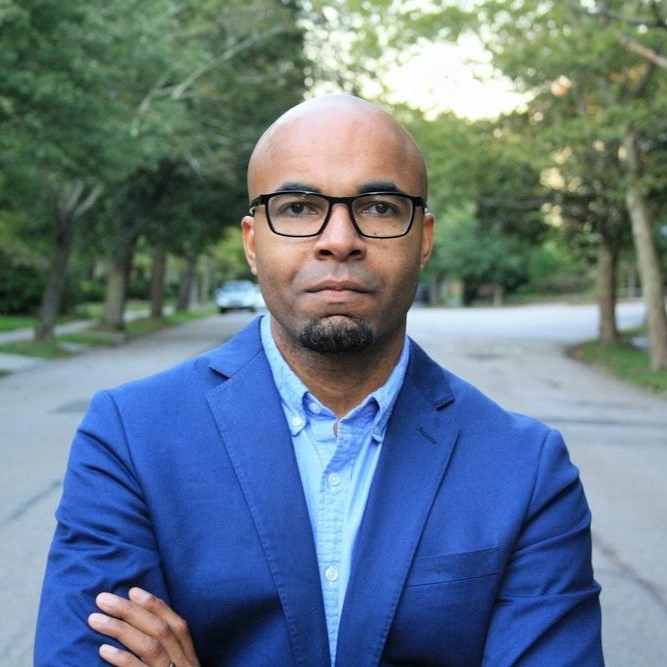
Mario L. Small
Department of Sociology,
Columbia University
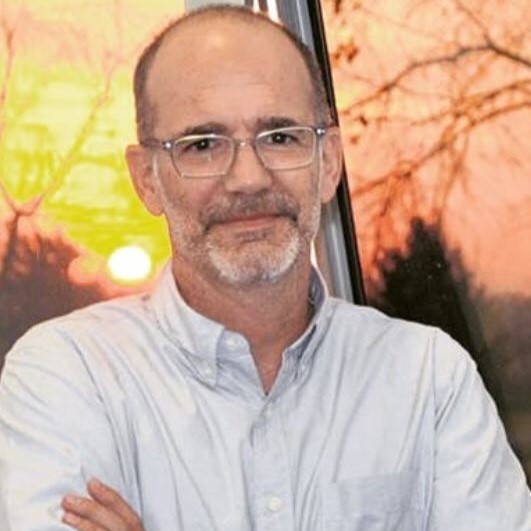
Javier Auyero
College of Liberal Arts,
University of Texas at Austin
Javier Auyero is the Joe R. and Teresa Lozano Long Professor in Latin American Sociology at the University of Texas-Austin and Ikerbasque Research Professor at the University of the Basque Country. His main areas of research, writing and teaching are urban poverty, political ethnography, and collective action. He is the author of many books among them Poor People’s Politics, Patients of the State, and (together with anthropologist Débora Swistun), Flammable. Environmental Suffering in an Argentine Shantytown. His most recent book is Squatter Life (co-authored with anthropologist Sofía Servián). More than a decade ago Javier founded the Urban Ethnography Lab at UT-Austin, and he is the current editor of the book series Global and Comparative Ethnographies at Oxford University Press.
Javier Auyero will hold the IJURR Lecture at the RC21 Conference in Vienna.
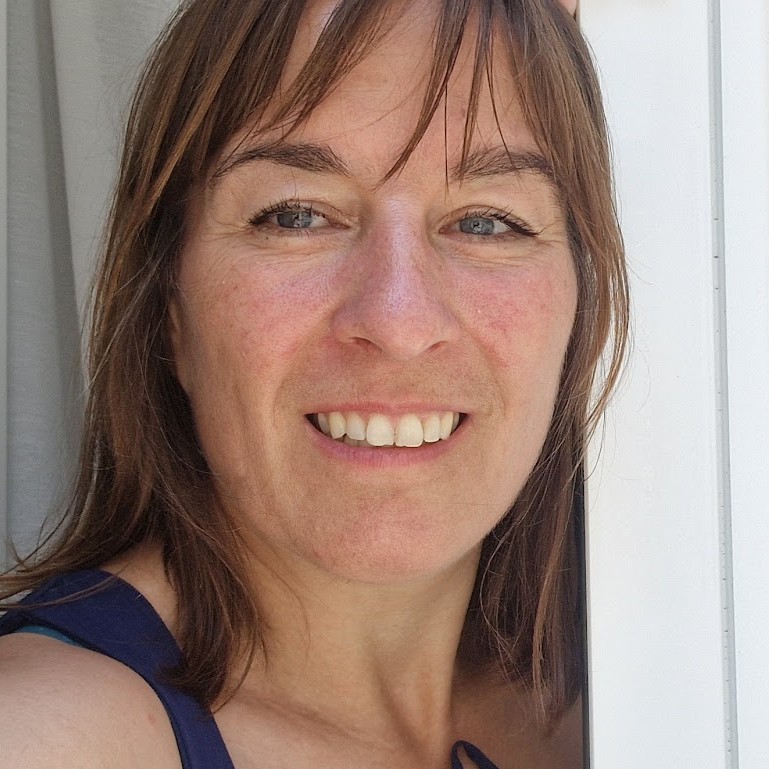
Vanesa Castán Broto
Urban Institute,
University of Sheffield
Vanesa Castán Broto has dedicated her academic career to understanding the effectiveness and fairness of place-based responses to climate change in rapidly changing environmental and political contexts. She is currently a Professor of Climate Urbanism at the Urban Institute, University of Sheffield, where she directs the multi-partner project JustGESI (Gender Equality and Social Inclusion for a Just Energy Transition), funded by the UKRI Ayrton Fund. Her last book is entitled Community Energy and Sustainable Energy Transitions (2024, Palgrave).
Sessions
Scientific Networking Dinner
-
22 July, 2026, 7.30 p.m.
At the RC21 Conference 2026, we will have a social networking dinner for scientific exchange as part of the conference programme.
The Social Dinner is fully booked!